
How to Choose a Neurodivergent-Friendly Holiday Destination
Introduction: The Destination Matters More Than You Think
Choosing a holiday destination that’s suitable for someone neurodivergent can often be the deciding factor between something memorable for the right or wrong reasons. There’s a lot to think about: is it noisy? Is it easy or stressful to get around, and is the signage clear? Is the food too rich or spicy, or are they flexible to dietary requirements? You name it. This week’s blog aims to make choosing destinations simpler and help you consider things you may not have thought about. In our last couple of blog posts, we talked about hotels and airports, so we won’t go too in-depth here; you can read those here. This is all about whether a destination is suitable for a neurodivergent family, individual or child and what to be aware of.
How Easy Is It to Get Around?
The first thing to cover is whether the destination is easy to navigate. Are tourist sites near to a hotel or public transportation? For instance, some autistic people may need signage to show where sites are; therefore, clarity and certainty are a must. Again, there are many things to consider: are the buses or trains easily accessible? Are there people who speak multiple languages that can help if you don’t speak the native tongue? Is it safe to travel between tourist attractions or are they walkable? In the English-speaking world, there’s a tendency to have an expectation that everyone speaks our language, so if they don’t speak any, or speak very little, it may be a little problematic. Thankfully, with the development of AI and translation apps, this issue is less common. However, clear communication in advance about what to expect can provide an additional layer of assurance. Maps on your phone are essential for getting around and in case you get lost. Is there nearby Wi-Fi available or do you have a roaming international data plan with your phone provider? eSIMs are also a great way to avoid this problem, with no need to change SIM cards. Is getting a taxi a simple process if you don’t have Uber or any other taxi/cab app on your phone? It’s vital to plan ahead and confirm they’re safe and reputable where you’re visiting.
Image Gallery

What Is the Pace of the Destination?
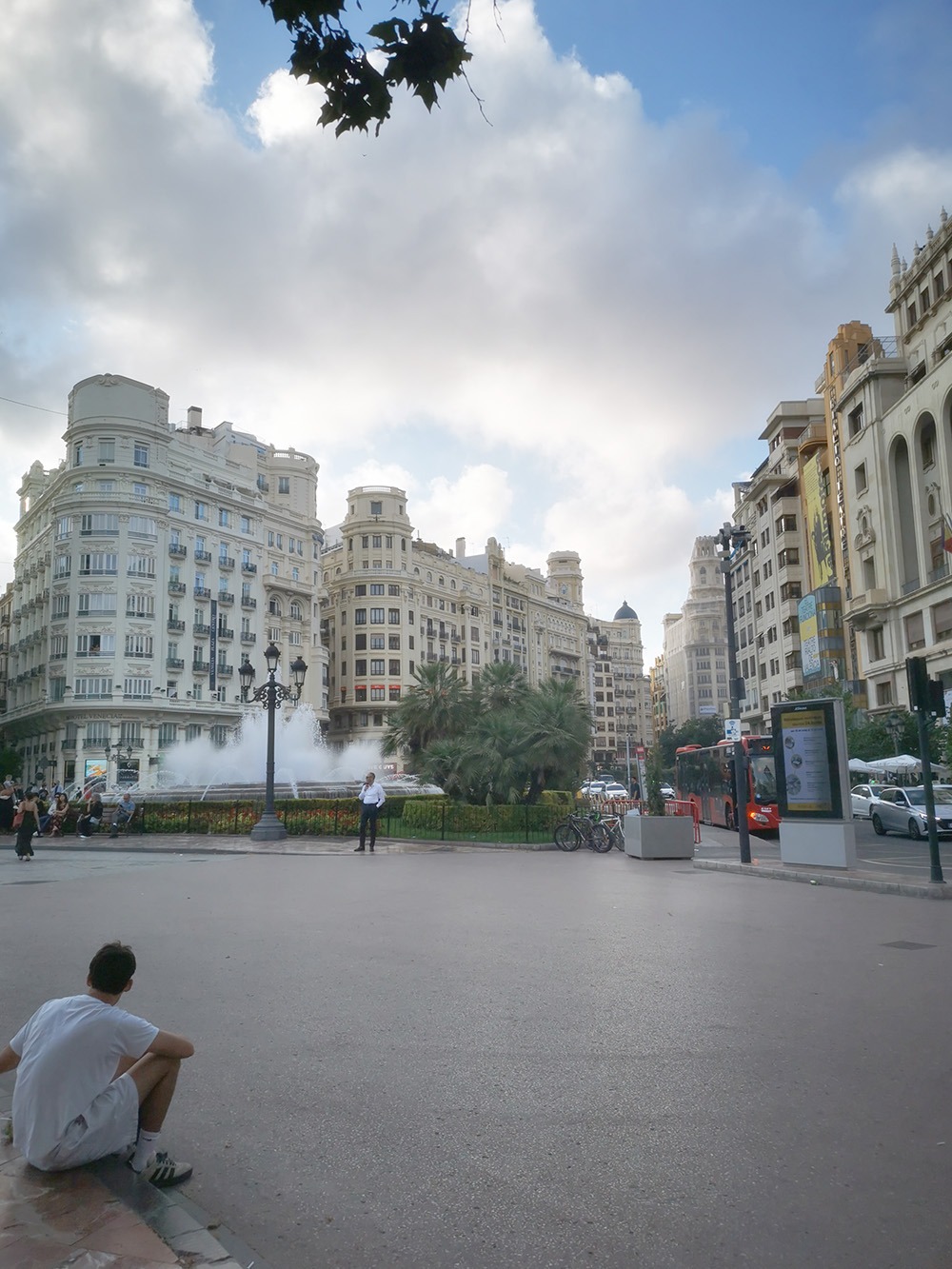
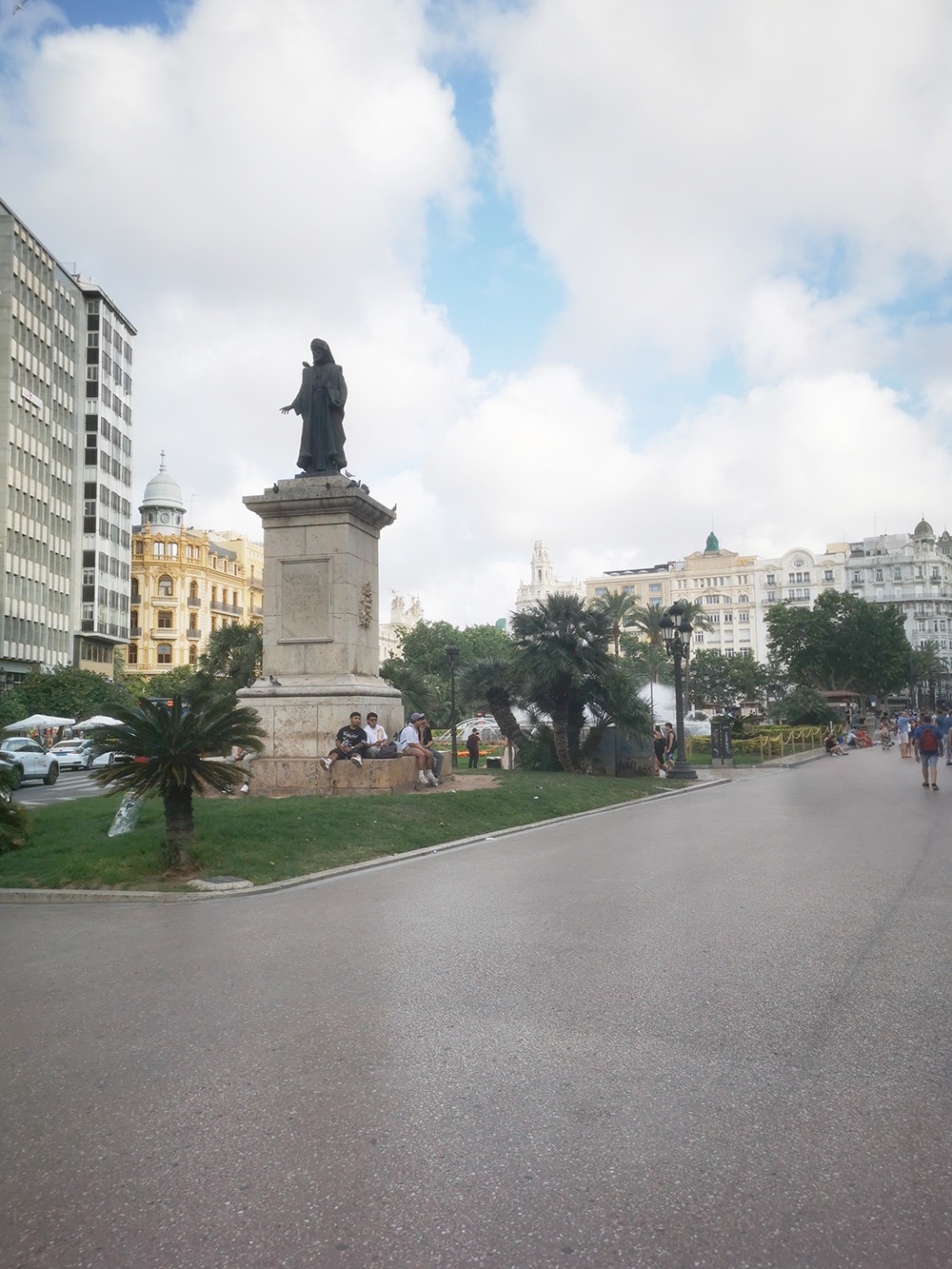
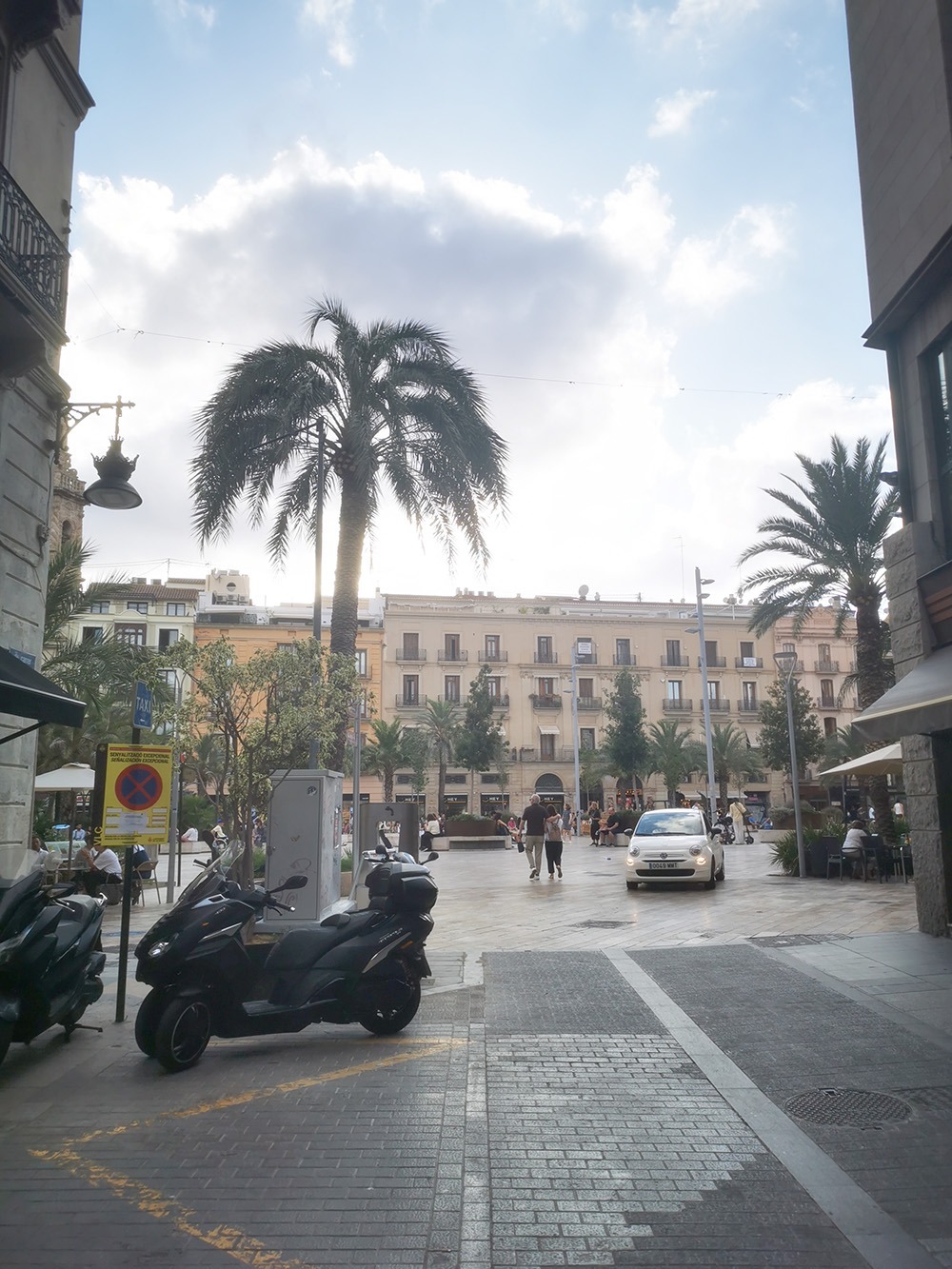
For the neurodivergent traveller, a destination’s pace may be too fast or too slow. This can vary wildly depending on where you’re visiting or whether you’re travelling on your own or with a group. Is your chosen destination a laid-back beach holiday? A hiking trip? Or a city break with heavy traffic and lots of beeping cars and air pollution? Each of these offers a different pace, from slow to fast. Some city breaks for an ADHD or Autism traveller can be overwhelming because of the noise, crowds of other tourists, oncoming cars and public transport via loud Tannoy (PA) announcements. One alternative that is trending is slow travel, where people travel at their own pace and don’t feel rushed into starting the day. Tourist attractions also have their own queues, especially for neurodivergent or disabled visitors. In the Destinations section of our website, we recommend places to visit by season and time of year. We suggest visiting places such as Canada, Iceland, Switzerland and Scandinavian countries in the summer because they are much sparser and offer big open spaces with lots of hiking, beautiful outdoor scenery and, most of all, far fewer chances of big crowds like you’d see in Rome, Paris, Barcelona or London at that time of year. If you visit these cities, it is probably best to do so in the shoulder seasons.
Accommodation Can Make or Break the Experience
As we discussed in a previous blog post, a hotel can make a real difference for a neurodivergent traveller in terms of whether your holiday feels great or something you’d rather forget. Your room might feel like the only sanctuary you have for a week away from home; the last thing you need is loud music, flickering lights, or even lights that are too bright. You may also face noisy guests or crowds in the reception area. Fortunately, there are ways and solutions. You can request a room far from lifts, choose to eat meals via room service, check whether the pool area or bar can turn the music down to a suitable level, and more. It is worth checking with a hotel ahead of the trip about their noise policies and any neurodiverse-friendly facilities.
What’s the Climate Like?
Depending on where you’re going, there may be extremes in weather and climate. Whether it be winter or summer, the elements might be overwhelming for a neurodivergent traveller and can affect one’s judgement and functionality if things get a bit too much. If you’re travelling somewhere that’s similar to the climate you have back home, then there’s probably nothing to worry about. And it’s not just battling rain, heat, snow, blizzards or humidity. There’s also the inconvenience of mosquito bites, allergies to things like pollen, how much time you can comfortably spend outdoors without it ruining your trip, whether there are indoor alternatives, and how prepared you are for sudden weather changes. Important: prepare for the one thing beyond our control: the weather. It may help to bring extra clothes, layers for hot and cold weather or an umbrella to adapt to sudden changes. To cope with insects, repellent sprays, creams, and ointments are widely available in most pharmacies.
The Waiting Game
If you don’t want to spend your time sitting down waiting, there are some things you can do to alleviate the boredom. For some people, waiting is actually one of the hardest parts of flying. Once you have reached the gate, there may be nothing to do except sit and wait. This is where having a few familiar things with you can help, such as downloading a film or TV show, listening to a podcast or music, or bringing a book or magazine. Noise-cancelling headphones or ear defenders can be particularly useful if the surrounding noise becomes too much. Sunglasses can also help if bright lights are uncomfortable.
If you need a quieter space, you can ask staff whether a quieter area is available. Not every airport has the same facilities, so it is worth checking before you travel rather than assuming one will be available. But don’t feel like you have to spend your whole time sitting at the gate either; if that isn’t comfortable for you, you can keep an eye on the time and walk around. If you have access, there are airport lounges where you can have a quiet space to yourself whilst enjoying free food and drink, or even a massage or have a shower while you’re sitting down, as they tend to be less busy than being at the gate. Some lounges even have sensory rooms or pods where you can zone out in a soundproofed room with fluorescent lighting, soothing sounds, and comfortable seating. Plus, you can check the status of your departure screen while you’re there in a calmer atmosphere.
How busy is the destination?
If you’ve done your due diligence, you’ll know ahead of time how busy a destination is, depending on where you’re going and at what time of year. As mentioned above, cities and beach resort destinations will be especially busy during school holidays. But places such as Paris and New York are crowded year-round. So what are the solutions? Well, destinations around the world are working hard to adapt to the needs of neurodiverse guests, especially places such as Dubai, which is officially an IBCCES-certified autism-friendly city. This means hotels, tourist attractions, shopping centres, and public areas are tailored to autistic people’s needs. Other places across the world are following suit: Dublin is Europe’s autism-friendly capital, Sydney has many strong accessibility, transport, and sensory-friendly initiatives, and Spain has a programme called Spain4All (which we ourselves are working with directly) to make the country not just neurodivergent-friendly, but also accessible for those with visible disabilities. These are just a few examples, and as time goes on, more people will be inspired to make changes through small, reasonable adjustments.
What Happens When Plans Change?
The one thing that’s certain in life is that almost nothing is certain, except death and taxes. Some things are beyond our control, like weather and traffic delays, so it’s always wise to have a contingency plan in place. If things can be changed, like a cancelled booking, there are almost always options to rearrange or postpone something like a restaurant reservation. The great thing about the neurodiverse traveller, especially those with ADHD, is that they’re resilient, but above all adaptable to changes. But what about extreme circumstances like a natural disaster? It’s always vital to follow guidance from local authorities on what to do next. For everything else, it comes down to research, which is a nice segue into our next topic below.
Research Before You Go
Research is so important for planning a trip. But as we said above, many neurodivergent people are very meticulous about planning the finer details of everything, so plotting a trip away should be no exception. Think of it like this: you’re not just planning the voyage itself; it starts with researching destinations, weighing up all the pros and cons, looking into hotels, tourist attractions, beaches, hikes, transportation, safe and dangerous parts of the city, and that’s before booking the flight!
There Is No Such Thing as One Perfect Destination
The unique thing about different places around the world is that they’re a perfect fit for someone. Different strokes for different folks. Some like it hot, some like it cold. Some like to be by the seaside, some like a mountain retreat. Some like being pampered in luxury hotels; others prefer more modest accommodation. At Journeyease, we can accommodate your needs from beginning to end through an initial consultation: tell us what you need, and we can suggest and recommend places to visit based on your preferences.
So, What Makes a Destination Truly Neurodivergent-Friendly?
In short, it’s the places that are willing to make small, reasonable adjustments and have quiet rooms in their hotels. Tourist attractions that provide guides and recognise sunflower lanyards aren’t just there to show someone is neurodivergent; they also go the extra mile to make sure the visit is memorable for the right reasons.
Quick Checklist: Is This Destination Right for You?
With so much to weigh up, it can help to have something to refer back to. Before booking, ask yourself:
- Getting around — Is the destination walkable, or is public transport accessible and easy to navigate? Is signage clear?
- Pace — Does the destination suit a slower, laid-back trip, or are you comfortable with a busier city pace?
- Accommodation — Can the hotel offer a quiet room, control over lighting and noise, or flexible dining options?
- Climate — Is the weather similar to what you’re used to, and are there indoor alternatives if it isn’t
- Crowds — Is it peak season? Does the destination hold any accessibility or autism-friendly certifications, like IBCCES?
- Contingency — Are bookings flexible if plans need to change at short notice?