Case Study:
Valencia's Journey Towards Inclusive Tourism
How Journeyease is Helping Shape the Future of Neurodiverse Travel in Spain
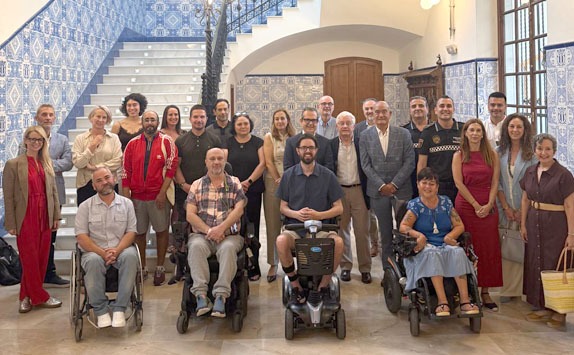
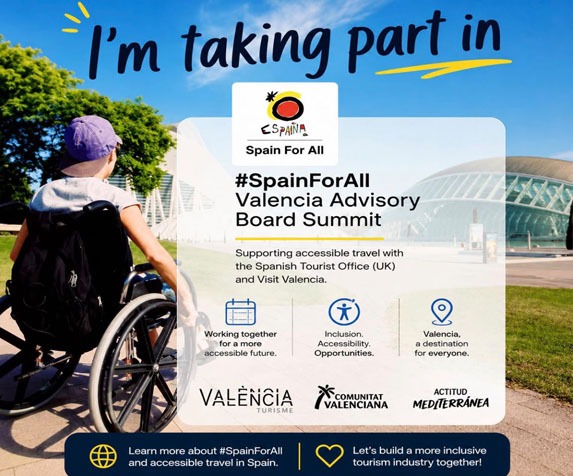
In June 2026, Journeyease travelled to Valencia to explore one of Europe’s most ambitious accessibility programmes and to engage with tourism stakeholders working to make travel more inclusive for people with both visible and non-visible disabilities.
The visit was more than a familiarisation trip. It was an opportunity to examine how destinations can move beyond traditional accessibility measures and embrace a broader vision of inclusion—one that recognises the needs of autistic travellers, people with ADHD, sensory sensitivities, anxiety disorders and other non-visible disabilities.
As a company specialising in neurodiverse-friendly travel, Journeyease is increasingly working alongside tourism organisations and hospitality providers to help shape the next generation of accessible visitor experiences.
Why Valencia?
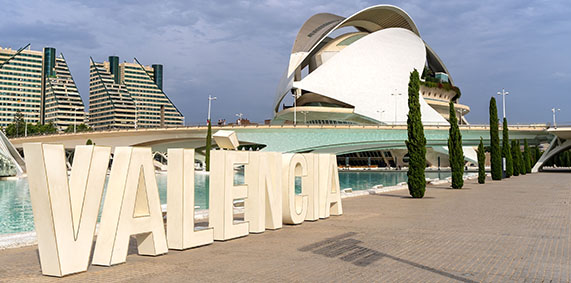
The Valencian Community has established itself as one of Spain’s leading destinations for accessible tourism. Accessibility is embedded throughout the visitor experience, from public spaces and beaches to cultural attractions, guided tours and hospitality services. The region has made a public commitment to ensuring that tourism can be enjoyed by everyone, regardless of physical, sensory or cognitive ability.
For Journeyease, Valencia provided an ideal case study of how accessibility can be integrated into a destination rather than treated as an afterthought.
Looking Beyond Physical Accessibility
Historically, accessible tourism has focused primarily on wheelchair access and mobility requirements.
While these remain essential, there is growing recognition across Spain that accessibility must also include neurodiversity.
This means considering the needs of guests who may experience sensory overload, executive functioning challenges, social anxiety, autism spectrum conditions or ADHD.
The importance of this work is becoming increasingly recognised across Spain, with dedicated training events and professional development programmes now focusing specifically on neurodiversity and inclusive tourism experiences.
Journeyease's Role in Neurodiverse Hospitality
This is where Journeyease is helping to drive meaningful change.
As one of the few travel companies actively specialising in neurodiverse travel experiences, we are working to bridge the gap between traditional accessibility standards and the real-world needs of neurodivergent travellers.
Through our collaboration with tourism organisations, hotel groups and destination stakeholders, Journeyease advocates for practical, achievable improvements that can transform a guest’s experience.
These include:
- Sensory-friendly hotel rooms
- Quiet relaxation spaces
- Reduced-stimulation dining options
- Flexible check-in procedures
- Clear and predictable guest communications
- Neurodiversity awareness training for staff
- Improved wayfinding and navigation
- Pre-arrival sensory information
Our discussions in Valencia highlighted significant opportunities for Spanish hotels to become leaders in neurodiverse hospitality.
As Spain continues to strengthen its position as a global leader in accessible tourism, Journeyease is contributing to conversations around how destinations can better serve neurodivergent travellers and their families.
Why This Matters
Research consistently shows that accessible travel is one of the fastest-growing sectors in global tourism.
Yet millions of travellers with non-visible disabilities still face barriers that often go unrecognised.
A hotel room that is physically accessible but filled with unpredictable noise, harsh lighting or confusing information may still create significant challenges for a neurodivergent guest.
The future of accessibility therefore lies not simply in removing physical barriers but in creating environments where all travellers can feel comfortable, confident and supported.
The Future of Inclusive Travel
Valencia demonstrates what is possible when accessibility becomes part of a destination’s identity rather than a compliance exercise.
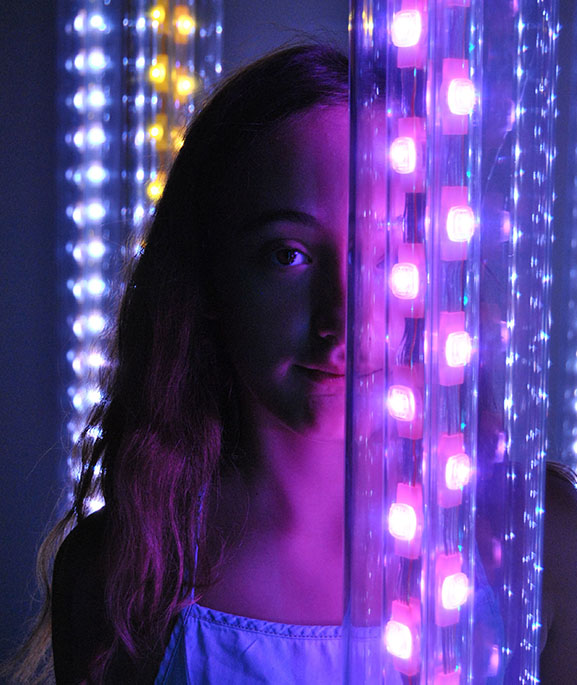
From sensory tourism experiences and accessible public spaces to professional training initiatives and industry collaboration, the city is helping redefine what inclusive tourism looks like in practice.
For Journeyease, the visit reinforced our belief that neurodiversity will become one of the defining conversations in tourism over the coming decade.
We are proud to be part of that conversation and to work alongside destinations, tourism boards and hospitality providers that share our vision of travel that works for everyone.
Because truly accessible tourism is not about accommodating a minority.
It is about designing better experiences for all.