
How to Travel with Different Neurodivergent Needs in the Same Family
Every Neurodivergent Family Is Different
Family holidays can be exciting, but when everyone in the family has different neurodivergent needs, travelling can also take a little more planning.
One child might love busy airports, new places and lots of activities while another finds crowds overwhelming and needs plenty of quiet time. One person might need a predictable routine, while someone else is happiest when the day is completely spontaneous.
There isn’t one perfect way to travel with a neurodivergent family. The key is understanding what each person needs and finding ways to make the trip work for everyone as much as possible.
Why "One-Size-Fits-All" Doesn't Work for Neurodivergent Families
Even within the same family neurodivergent needs can look completely different, you might have one family member who seeks sensory input and wants to touch, explore and experience everything while another is sensitive to noise, smells, crowds and bright lights.
You may also have different needs around food, sleep, communication, social interaction, transitions and changes to routine. This is why trying to create a “neurodivergent-friendly” holiday based on one set of needs doesn’t always work. Instead, think about the individual people travelling.
What helps one person feels comfortable might not work for another, and that is okay. The aim isn’t to create a trip where nobody ever feels overwhelmed. It’s about knowing your family’s needs well enough to make adjustments when you need to.
Image Gallery

Start with a Needs Audit, Not a Destination
Before choosing where you’re going think about what everyone actually needs from the trip, it can be helpful to sit down and make a simple list for each family member.
Think about…
- Sensory activities
- Sensory seeking behaviours
- Food preferences and restrictions
- Sleep and downtime
- Social interaction
- Crowds and busy environments
- Changes to routine
- Communication needs
- Things that are likely to cause stress
- Things that help them regulate
You may quickly spot where the biggest potential challenges are, for example if one person finds busy restaurants difficult but another really enjoys eating out, you could look for accommodation where you have the option to prepare meals yourself, while still planning the occasional restaurant visit.
The more you understand everyone’s needs before you travel, the easier it becomes to make realistic decisions.
Balancing Competing Needs: When One Kid Wants Stimulation and Another Needs Quiet
This can be one of the hardest parts of travelling as a neurodivergent family, you can’t always give everyone what they want at exactly the same time.
If one person wants to spend the afternoon at a busy attraction and another needs some quiet time, trying to force everyone into the same activity could leave everybody stressed.
Instead look for opportunities to split the day, one person could go to one activity with some of the family while another stays at the accommodation with other family who need downtime.
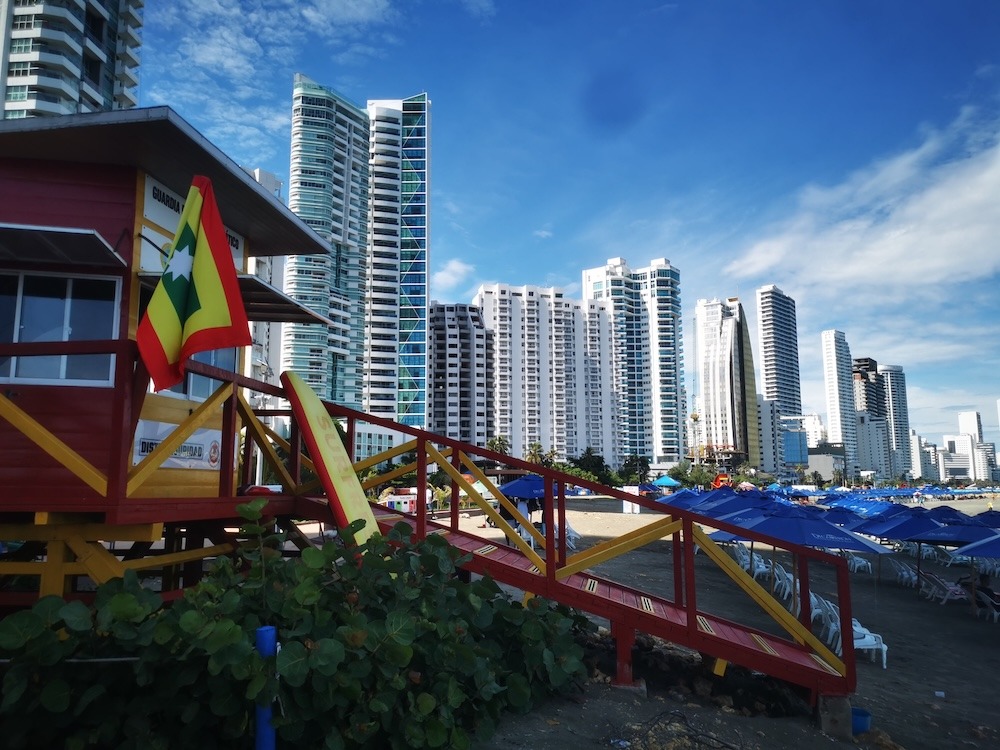
You can also look for activities that offer different levels of stimulation, a beach for example might give some family members the opportunity to swim and explore while others can sit somewhere quieter.
It doesn’t have to be completely equal all of the time, sometimes meeting everyone’s needs means taking turns.
Building a Flexible Itinerary (Not a Rigid One — But Not a Blank One Either)
For many neurodivergent people, having no idea what is happening can be just as difficult as having every minute planned. A completely empty itinerary might create uncertainty while a packed schedule can leave everyone overwhelmed.
A flexible itinerary can give you a middle ground, you could decide what you are doing each morning and afternoon without planning every minute or choose one main activity each day and leave the rest of the day open.
It can also help to have a plan b, if you arrive somewhere and it is much busier than expected what could you do instead? If someone is too overwhelmed to continue, where could you go?
Knowing that you have options can make unexpected changes much easier to manage.
Packing for Sensory Regulation: A Family Toolkit
- Noise cancelling headphones or ear defenders
- Sunglasses
- Comfort toys
- Fidget toys
- Familiar snacks
- Favourite drinks
- Portable sensory items
- Comfortable clothing
- Medication, where needed
- A familiar blanket or pillowcase
- Activities for waiting times
Don’t assume that something is too much effort to pack if you know it helps someone regulate, a small amount of preparation before you leave can save a lot of stress later.
Preparing Everyone in Advance: Social Stories, Visual Schedules, and Honest Conversations
Talking about the trip before you leave can help everyone know what to expect, depending on the person, this might mean using visual schedule, looking at photographs of the accommodation, watching videos of the airport or destination or creating a simple social story.
You don’t have to explain everything in detail, focus on the things that are most likely to matter to that person.
For example, “we are going to the airport, there will probably be lots of people and noise, you can wear your headphones if it gets too loud.” Or “On Tuesday we are going to the zoo, we will see animals, have lunch and then come back to the hotel for some quiet time.”
It’s also important to be honest, if you know there might be queues, crowds or changes to the plan, don’t promise that everything will go perfectly. Instead talk about what you can do if things don’t go as expected.
Choosing Accommodations and Transportation with Multiple Needs in Mind
Where you stay can make a huge difference to how manageable a holiday feels. When looking at accommodation think beyond the number of bedrooms or how close it is to the beach.
Consider things like
- Is there somewhere quiet to retreat to?
- Can people have some personal space?
- Is there a kitchen or somewhere to prepare familiar food?
- How noisy is the accommodation likely to be?
- Is there easy access to outdoor space?
- How much walking is involved?
- Can you control the lighting and temperature?
The same applies to transportation, think about the whole journey not just getting to the destination.
Could the airport be particularly overwhelming? Will there be long periods of waiting? Is there somewhere to take a break?
Planning for these parts of the journey can be just as important as planning what you will do when you arrive.
What to Do When Someone Has a Meltdown or Shutdown Mid-Trip
Even with the best planning in the world, someone may become overwhelmed. A meltdown or shutdown isn’t a sign that the holiday has failed, when it happens focus on reducing demands rather than trying to push through.
Find somewhere quieter is possible, reduce noise and stimulation. Give the person space if they need it and avoid asking lots of questions.
If you have identified their usual regulation strategies before travelling, this is the time to use them and remember that the rest of the family may need support too.
It can be easy for everyone to become stressed when plans suddenly change, so having an agreed approach before you travel can help. Most importantly, don’t worry about what other people think.
Your priority is helping your family member feel safe and regulated, not keeping strangers happy.
Giving Each Family Member Some Autonomy or "Their Own Time"
Family holidays don’t have to mean doing everything together. In fact, having some individual time can make the whole trip more enjoyable.
Older children and teenagers may appreciate being able to choose an activity or have some time away from the rest of the family. Parents may also need time to themselves.
Even something as simple as one parents taking the children to the pool while the other has an hour alone can make a difference.
Giving people some control over their own time can also reduce the feeling that everyone has to compromise constantly.
Real Talk: It Won't Be Perfect, and That's Okay
There will probably be moments when things don’t go according to plan.
Someone might have a meltdown; someone might refuse to do an activity you spent weeks planning. You might have to leave somewhere early; you might spend an afternoon watching films in the accommodation instead of exploring the destination.
That is okay.
A successful family holiday isn’t one where everything goes perfectly. It’s one where everyone has enough support, flexibility and understanding to enjoy at least some of the experience.
Travelling with different neurodivergent needs can take more preparation but it can also teach your family a lot about communication, flexibility and understanding each out.
You don’t need to find a holiday that works perfectly for everyone. You just need to find ways to make the holiday work for your family.