Case Study: Exploring Accessible Tourism in Colombia – A JourneyEase Perspective
How Journeyease is Helping Shape the Future of Neurodiverse Travel in Colombia
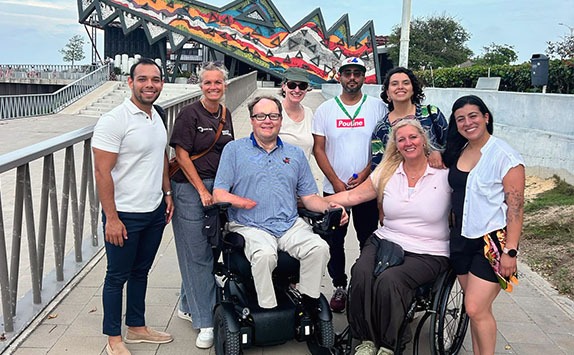
In July 2026, JourneyEase was invited by ProColombia and Impulse Travel to participate in an Accessible Tourism Familiarisation (FAM) Trip across three of Colombia’s most fascinating destinations: Bogotá, Barranquilla and Cartagena.
The purpose of the visit was to experience Colombia through the lens of accessibility, meeting tourism providers, inspecting hotels, exploring attractions and engaging with organisations committed to making travel more inclusive.
As someone with AuDHD, Yousif Nur, co-founder of JourneyEase, the experience also provided a unique opportunity to assess how destinations can better support neurodivergent travellers while showcasing the extraordinary diversity that makes Colombia one of the world’s most compelling destinations.


A Country of Extraordinary Diversity
Few countries offer such remarkable contrasts in such a relatively compact area.
During just one week, we experienced:
- The cool, high-altitude Andes of Bogotá.
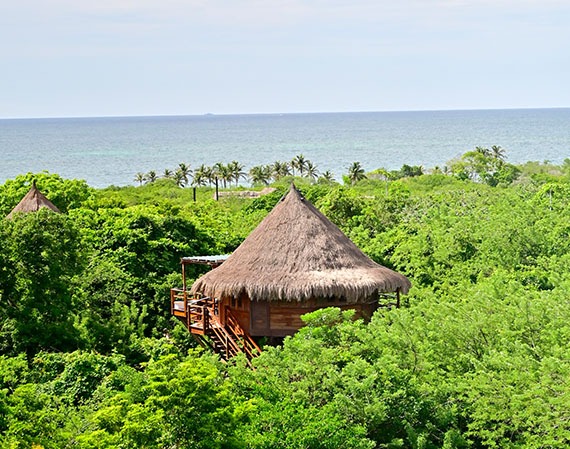
- The tropical Caribbean coastline of Barranquilla.
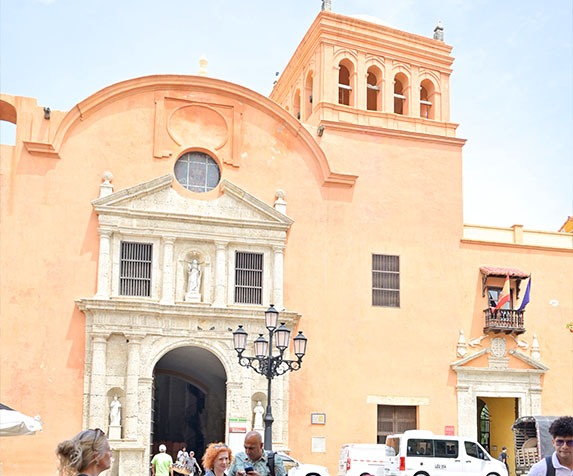
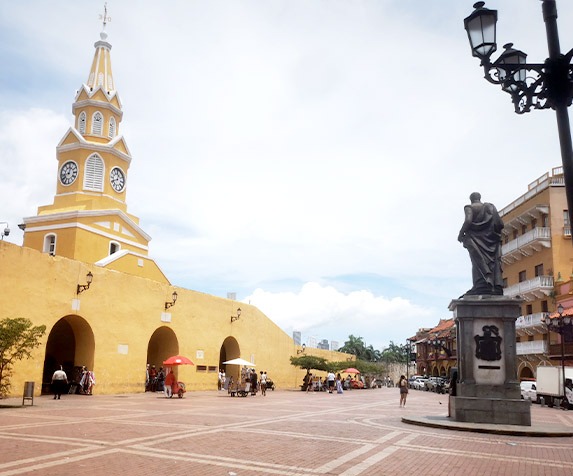
- The UNESCO-listed colonial streets of Cartagena.
Each destination possessed its own identity, climate, architecture, cuisine and rhythm of life.
This diversity extends far beyond geography. Colombia is one of the world’s most biodiverse countries, home to rainforests, mountains, beaches, deserts and vast plains, alongside an incredibly rich cultural heritage shaped by Indigenous, African and European influences.
Rather than feeling like one destination, Colombia often feels like several countries within one.
Bogotá – Colombia's Cultural Heart
Our journey began in Bogotá.
Despite arriving during the early hours of the morning, the city immediately revealed itself as vibrant, energetic and culturally rich.
During our stay we explored:
- The National Museum of Colombia
- The Gold Museum
- National Park
- La Candelaria Historic District
- Paloquemao Market
Each attraction offered a different perspective on Colombian identity.
Walking through La Candelaria highlighted colourful colonial architecture, lively public spaces and an artistic atmosphere unlike anywhere else in South America.
The Gold Museum demonstrated the extraordinary craftsmanship of Colombia’s Indigenous communities and remains one of the finest museums of its kind anywhere in the world.
Taking in the sights, sounds and smells of the Paloquemao Fruit Market, to sample some of the most unique, biodiverse fruits anywhere to be found in the world.

Hotel Inspections
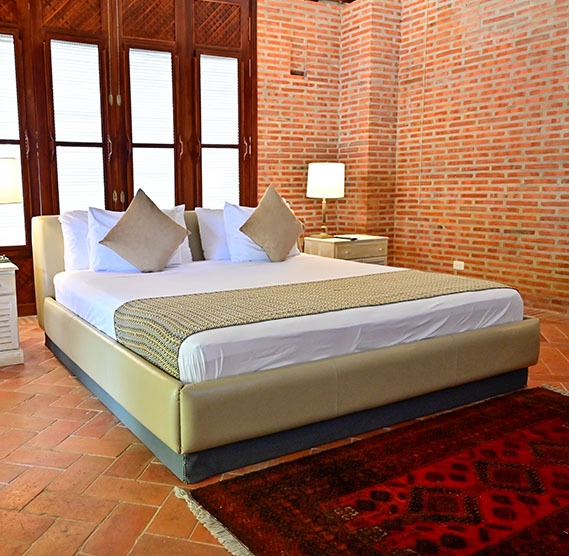
One of the most valuable aspects of the trip was visiting hotels to assess accessibility from multiple perspectives.
Rather than focusing solely on physical accessibility, JourneyEase considers the entire guest experience, including:
- arrival experience
- sensory environment
- lighting
- noise levels
- wayfinding
- communication
- staff awareness
- predictability of guest journeys
Accessibility is not simply about ramps and lifts.
For many neurodivergent travellers, thoughtful communication, calm environments and informed staff can be equally important.
These inspections generated valuable observations that will inform JourneyEase’s future consultancy work with hotels and destinations.
Travelling Together
Perhaps the greatest strength of the trip was the people.
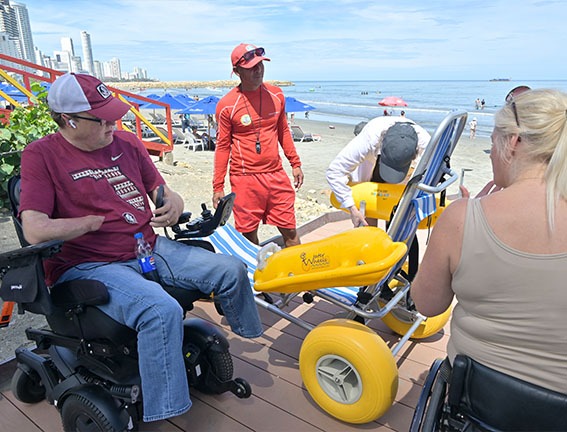
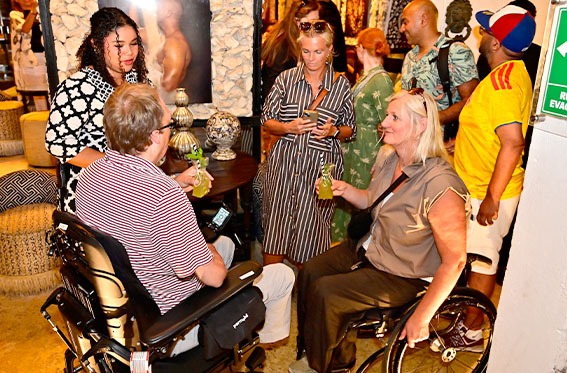
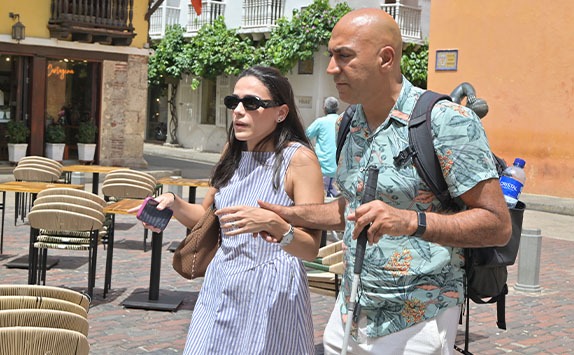
Our group consisted of travellers with different accessibility requirements, lived experiences and perspectives.
This created an environment where accessibility could be discussed openly and honestly.
Watching different people experience the same destination in different ways reinforced an important lesson:
There is no single definition of accessibility.
True inclusion means recognising that every traveller’s needs are different.
The willingness of both ProColombia and Impulse Travel to listen, adapt and encourage discussion throughout the journey demonstrated a genuine commitment to improving accessibility across Colombian tourism.

Discovering Colombian Cuisine
Food became one of the highlights of the journey.
Throughout the trip we sampled regional dishes that reflected Colombia’s extraordinary cultural diversity.
From Caribbean flavours along the coast to traditional Andean cuisine in Bogotá, every meal became an opportunity to understand local identity.
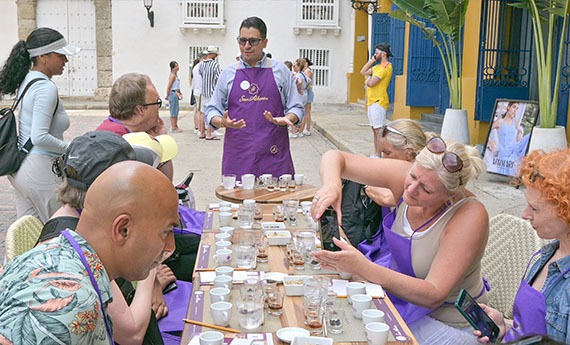
Meals were more than simply food—they became opportunities for conversation, cultural exchange and storytelling.
For travellers, cuisine provides one of the most authentic ways of understanding a destination, and Colombia delivered this in abundance.
Accessibility Beyond Infrastructure
Accessibility should never be viewed solely through the lens of physical infrastructure.
Our experience demonstrated that inclusive tourism also depends upon:
- empathy
- flexibility
- communication
- local knowledge
- willingness to adapt experiences
- collaboration between tourism providers
These human factors often make the greatest difference to the overall visitor experience.

Why Colombia Stands Out
Colombia surprised us.
Not simply because of its landscapes, but because every destination felt completely different from the last.
Within a single itinerary we experienced:
- modern urban life
- colonial heritage
- Caribbean culture
- mountain landscapes
- tropical climate
- remarkable biodiversity
- welcoming local communities
Very few countries offer such a diverse range of experiences within one journey.
Key Lessons for Destinations
Our visit reinforced several principles that destinations around the world should consider.
- Accessibility extends far beyond mobility.
- Neurodivergent travellers benefit from clear communication and predictable experiences.
- Inclusive tourism succeeds through collaboration.
- Staff training is just as important as physical infrastructure.
- Diversity should be celebrated not only in landscapes but also in visitor experiences.

Conclusion
Our week in Colombia demonstrated that accessible tourism is not simply about removing barriers.
It is about creating welcoming experiences for every visitor.
Through its people, culture, biodiversity and commitment to developing more inclusive tourism, Colombia has positioned itself as a destination willing to listen, innovate and evolve.
JourneyEase looks forward to continuing conversations with destinations and tourism providers that share this vision, helping ensure that travel becomes more inclusive for neurodivergent travellers and everyone who experiences the world differently.