
Japan for Neurodivergent Travellers
Discovering Japan at Your Own Pace
Japan is one of those destinations that can be incredibly exciting and at times completely overwhelming.
There is so much to take in: Tokyo is enormous, the streets can be busy, train stations can be confusing, you may encounter unfamiliar foods and customs, and you may be navigating a language you don’t speak. For some neurodivergent travellers, that level of new information and sensory input can be exciting. For others, it can quickly become exhausting.
That doesn’t mean you need to rule Japan out. It means thinking about what you need to enjoy the experience and putting some things in place before you travel. A little preparation can make unfamiliar situations feel much more manageable, especially if you know changes, crowds, noise, food, or navigating new places can affect you.
Japan also has a growing range of accessibility information and visitor support. The Japan national tourism organisation provides guidance for travellers with additional needs, while Tokyo publishes its own accessibility guides with information about routes, attractions and facilities.
Why Japan Captivates Travellers
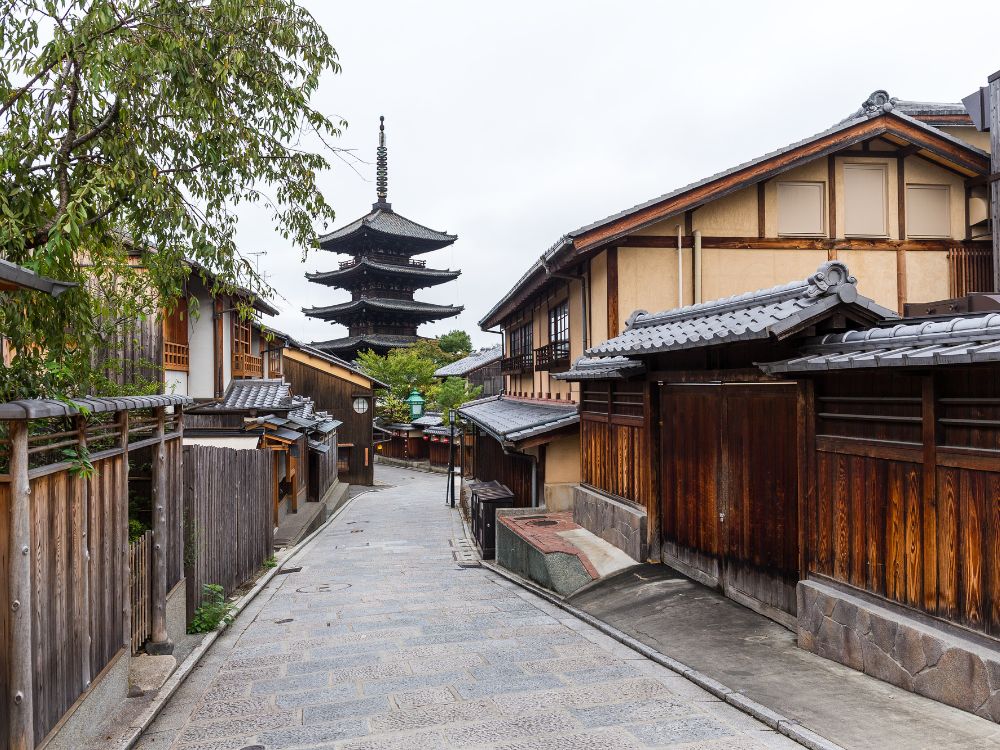
Experiencing Japan for the first time feels very different. You can move between incredibly modern cities and quiet temples, traditional gardens, historic neighbourhoods and beautiful countryside, sometimes within the same day.
For a neurodivergent traveller, that variety can be wonderful, but it also means that your itinerary needs some thought. If you know that lots of new experiences in quick succession can become overwhelming, you don’t necessarily need to follow the typical approach of trying to see as much as possible.
Instead, think about what you actually want from your trip.
Perhaps you want to experience Japanese culture and food. Maybe you have always wanted to visit Tokyo. Perhaps you are interested in history, nature or the quieter side of Japan. Once you know what matters most to you, you can build the trip around those things rather than trying to fit everything in.
It can also help to think about your likely energy levels before you book. A long-haul flight, a new country, and several busy sightseeing days can take more out of you than you expect, so you don’t need to feel guilty about building recovery time into the itinerary.
Image Gallery
Exploring Tokyo
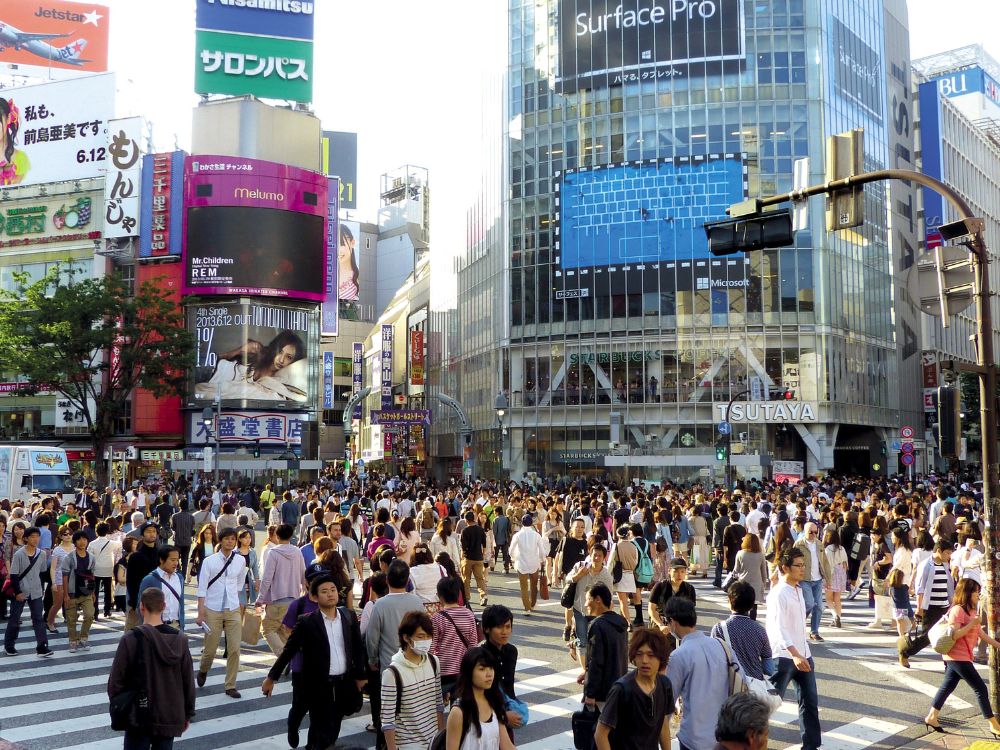
Tokyo is probably one of the first places that comes to mind when you think about Japan, and there is an enormous amount to see. It can also be intense.
Bright lights, large crowds, busy crossings, constant movement and enormous stations can all create a lot of sensory information to process. If you get overwhelmed in busy environments, that doesn’t mean you have to avoid Tokyo; it may just mean experiencing it differently.
For example, instead of planning several busy attractions across different parts of the city in one day, choose one main area and give yourself plenty of time there. You might visit a popular attraction early in the morning, when some places are quieter, then return to your hotel or find somewhere peaceful afterwards. Tokyo’s official tourism guide highlights early mornings as a chance to visit places like Meiji Shrine and Sensoji Temple before the daily crowds arrive.
It can also help to identify a few places where you can take a break before you need one; a quiet café, hotel room, garden, or less busy neighbourhood can give you somewhere to reset if the city starts to feel like too much.
Tokyo’s 2026 Sightseeing Accessibility Guide is another useful resource. It provides routes across different parts of the city, along with information about attractions, facilities, and accessibility, so visitors can choose the routes that work for them.
You don’t need to prove you can cope with Tokyo at its busiest; the aim is to enjoy the city, so finding a way to experience it that works for you matters more.
Experiencing Japanese Culture
Japanese culture will be a major part of your trip, but a different culture can sometimes come with a lot of unfamiliar information.
You’ll need to understand different customs, expectations around behaviour and etiquette, and there are plenty of situations where you may not know exactly what will happen next.
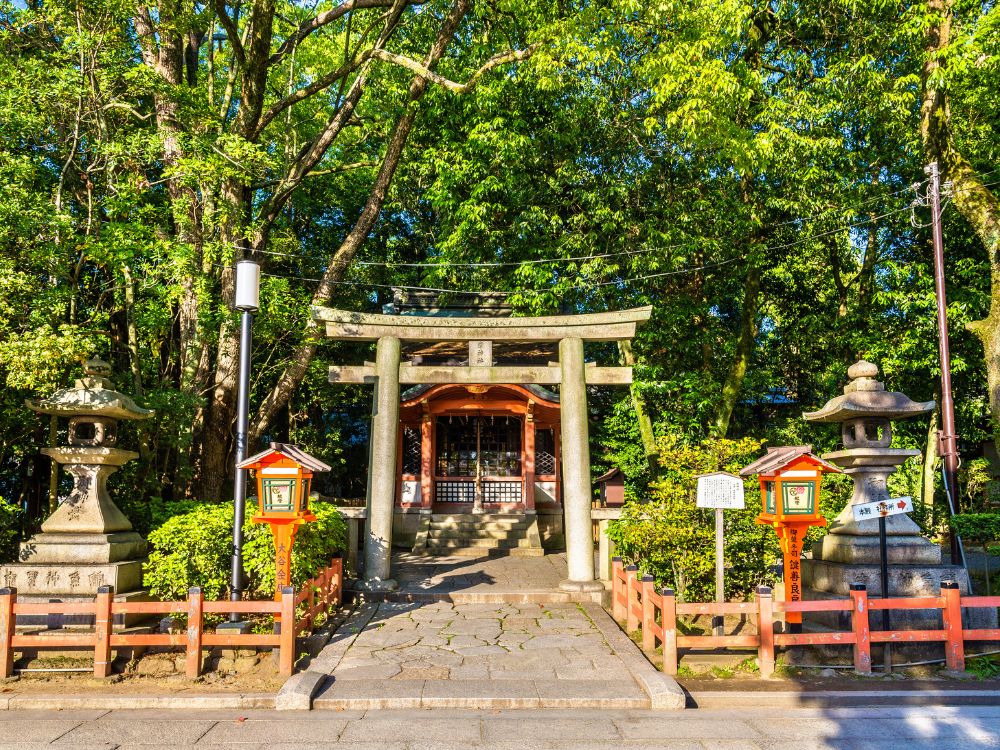
If you find uncertainty difficult, doing some research before you travel can make a real difference. Knowing that you may need to remove your shoes, understanding how to behave at a shrine or knowing what to expect when entering a traditional restaurant means those situations are less likely to catch you completely off guard.
You don’t need to learn everything before you go; even a basic understanding of the situations you are most likely to encounter can boost your confidence.
It’s also worth looking beyond the busiest tourist attractions. Japan has countless smaller temples, gardens, museums, and local experiences, and choosing something less well-known can let you experience Japanese culture without being surrounded by large crowds.
If you know busy environments affect you, visit popular cultural sites at quieter times or ask your accommodation or a local guide for suggestions. You may discover that some of the most memorable experiences aren’t necessarily the ones that appear at the top of every tourist list.
Food and Dining
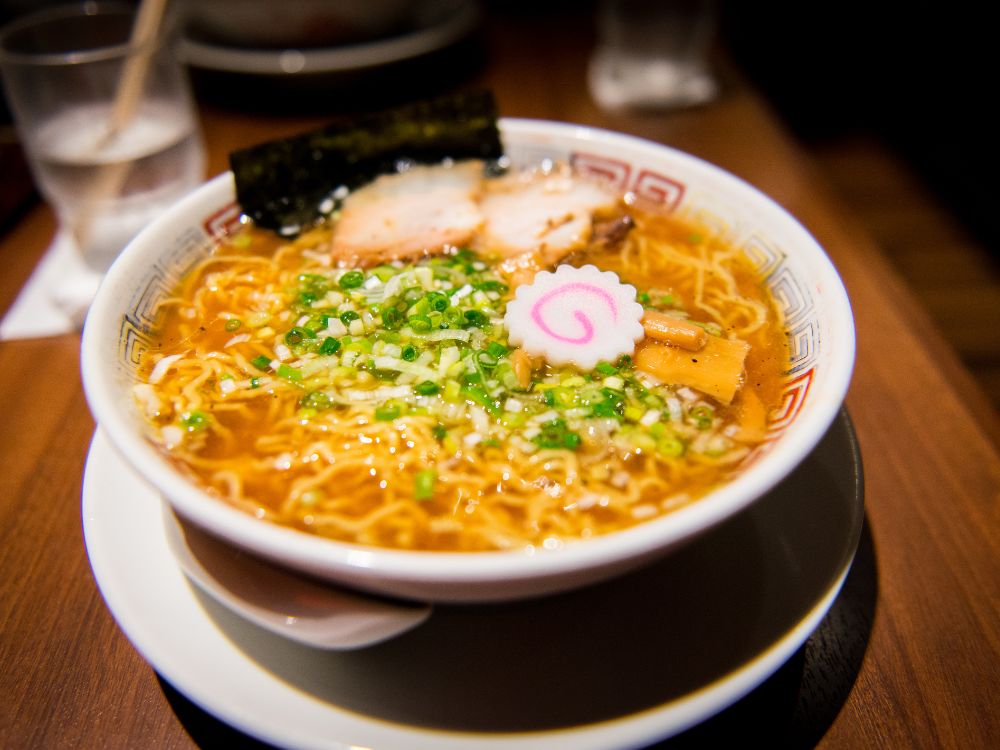
Food is one of the great pleasures of travelling to Japan, but you may need to plan around it if you have sensory sensitivities, food preferences, or a limited range of foods you feel comfortable eating.
You don’t have to arrive in Japan and suddenly expect yourself to eat completely differently.
Before you travel, look at menus and photos online and note restaurants where you know you will find something you can eat. If unfamiliar food stresses you out, having a few reliable options already identified can make the day much easier.
You could also carry familiar snacks, especially when travelling between destinations or spending a long day sightseeing.
If you want to try Japanese food, you don’t have to make every meal an adventure. You could choose one unfamiliar dish to try alongside ones you already know and enjoy. This lets you explore without turning every meal into a potential source of stress.
The environment matters too. A small, quiet restaurant may be a much better experience than a large, busy dining hall, even if both serve the same food.
If restaurants are something you find difficult, consider researching them in advance, booking where possible and asking your travel provider or hotel for recommendations that match your preferences.
Getting Around Japan
Getting around Japan can be one of the most exciting parts of the trip, but it can also require quite a lot of planning.
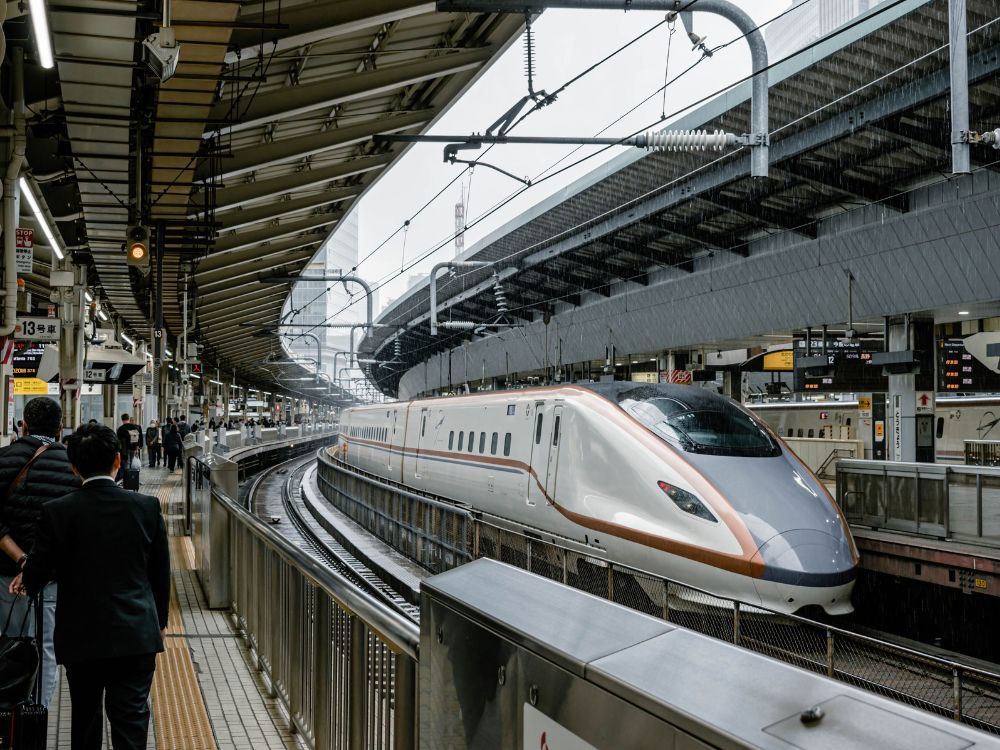
Large stations can be busy, routes can involve several changes, and there can be a huge amount of information to take in. If you already know that navigating unfamiliar places can be stressful, don’t leave everything until you arrive.
Look at your main journeys before you travel and save the information somewhere easy to access. Screenshots, maps, translation tools, and written addresses can all help if you suddenly find yourself unsure where you are going.
It is also worth giving yourself more time than you think you need. If a connection technically gives you ten minutes to change trains, that doesn’t necessarily mean it’s the right connection for you. Having extra time means you can stop, check the information and work out where you need to go without feeling rushed.
If crowded public transport is particularly difficult, try to travel outside peak periods when possible. You can also use luggage delivery services so you aren’t trying to navigate busy stations with heavy bags; Tokyo’s tourism authorities currently highlight luggage delivery as a way to make getting around more comfortable.
Don’t be afraid to ask for help. Japan has more than 1,500 certified Tourist Information Centres across the country, and the Japan National Tourism Organisation provides tourist information by telephone.
If a particular journey feels too difficult, using a taxi, private transfer or guided experience for that part of the trip can be a perfectly reasonable choice.
Finding Quieter Experiences
One of the easiest ways to make Japan feel more manageable is to remember that you don’t have to spend your entire holiday in the busiest places.
If Tokyo is something you have always wanted to experience, you can absolutely include it. You might simply balance it with quieter destinations or days where there is less planned.
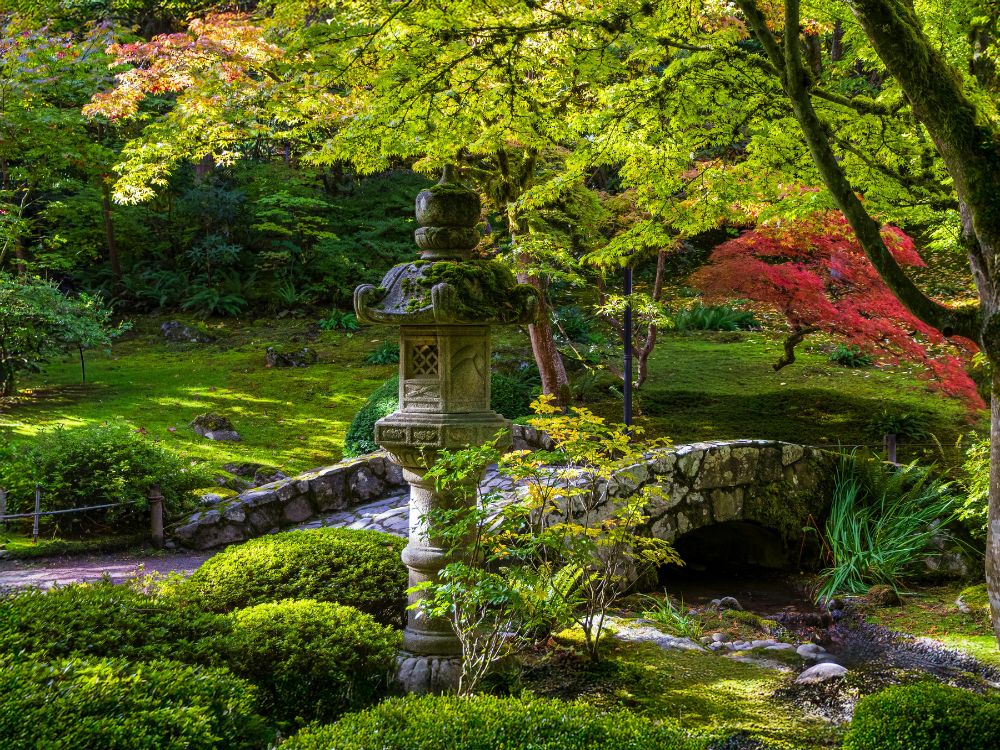
Even within Tokyo, you can find green spaces, gardens, quieter neighbourhoods, and attractions away from the busiest tourist areas. Outside the city, Japan offers mountains, countryside, coastal areas, traditional towns and quieter accommodation where the pace can feel completely different.
Your accommodation can also become part of your coping strategy.
If you know you need somewhere to retreat after a busy day, choose a place that gives you that space. A comfortable room, access to outdoor space, or a quiet place to sit can mean you don’t have to push yourself until you reach complete exhaustion.
It can also help to deliberately create a reset point in your day.
That might mean returning to your hotel for an hour, sitting somewhere quiet, putting on headphones, having something familiar to eat, or simply doing something you find calming.
You don’t have to wait until you’re overwhelmed before you take a break.
Building a Journey Around Your Interests
The best way to plan a neurodivergent friendly trip to Japan isn’t to follow someone else’s perfect itinerary.
It’s to think about what makes travel enjoyable for you.
Perhaps you want to explore Tokyo, but don’t want to spend every day surrounded by crowds. Perhaps you want to experience Japanese food but need to know where familiar options are available; maybe you love Japanese culture but would rather experience it through smaller, quieter activities than large, organised tours.
You can build all of these into your holiday.
You can also tell people what you need. When booking accommodation, tours or private experiences, don’t be afraid to ask questions before you commit. Find out how large the group will be, how long an activity lasts, where you can take breaks, how much walking is involved, and what happens if you need to leave early.
If communication is a concern, prepare some useful phrases or information in advance. You can use translation technology, write down important information, and save your hotel’s address in Japanese so you can show it to a driver if needed.
If you’re travelling with a specialised travel company, tell them what actually helps, rather than simply saying you are neurodivergent.
For example, you might explain that you need quiet time after busy activities, prefer to know what will happen in advance, find unfamiliar food difficult, need flexibility around plans or become overwhelmed by crowded environments.
That gives someone planning your trip something practical to work with.
Japan doesn’t have to be a holiday spent managing your environment.
With some preparation, the right support, and an itinerary that accounts for your individual needs, you can make space for what excites you while also giving yourself permission to step away when you need to.
And perhaps the most important thing to remember is this: you don’t have to experience Japan like everyone else to have an incredible time there!