
The Best Travel Experiences for Neurodivergent Travellers
Finding Travel Experiences That Work for You
When you are planning a holiday as a neurodivergent traveller, the question isn’t always simply, “what is there to do?”
It can also be, “will I actually enjoy doing it?”
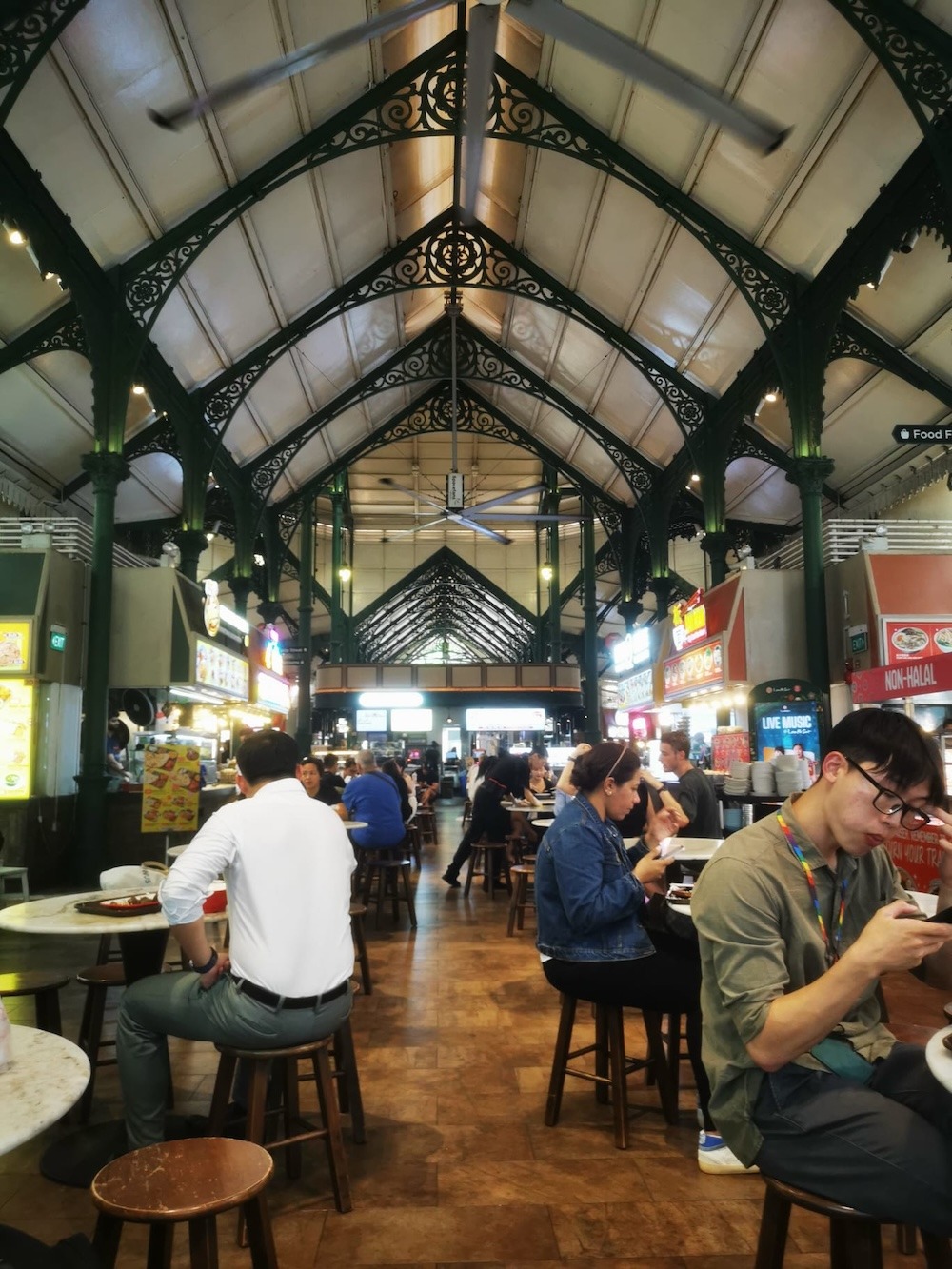
A busy food market might sound fantastic if you love trying new foods, but the noise, crowds and smells might make the experience difficult. A full-day excursion might be perfect if you love being busy, but exhausting if you need more time to process new surroundings. That doesn’t mean you have to avoid these experiences.
It means thinking about how you experience the world and choosing experiences that work with that rather than expecting yourself to adapt to everything around you.
There are many ways to travel, and your interests, sensory preferences, energy levels, and routines can all shape what makes a holiday enjoyable.
Adventure and Outdoor Experiences
Adventure doesn’t have to mean pushing yourself as far outside your comfort zone as possible.
For a neurodivergent traveller, the best adventure might be something that connects with a strong interest while still giving you enough control over the experience.
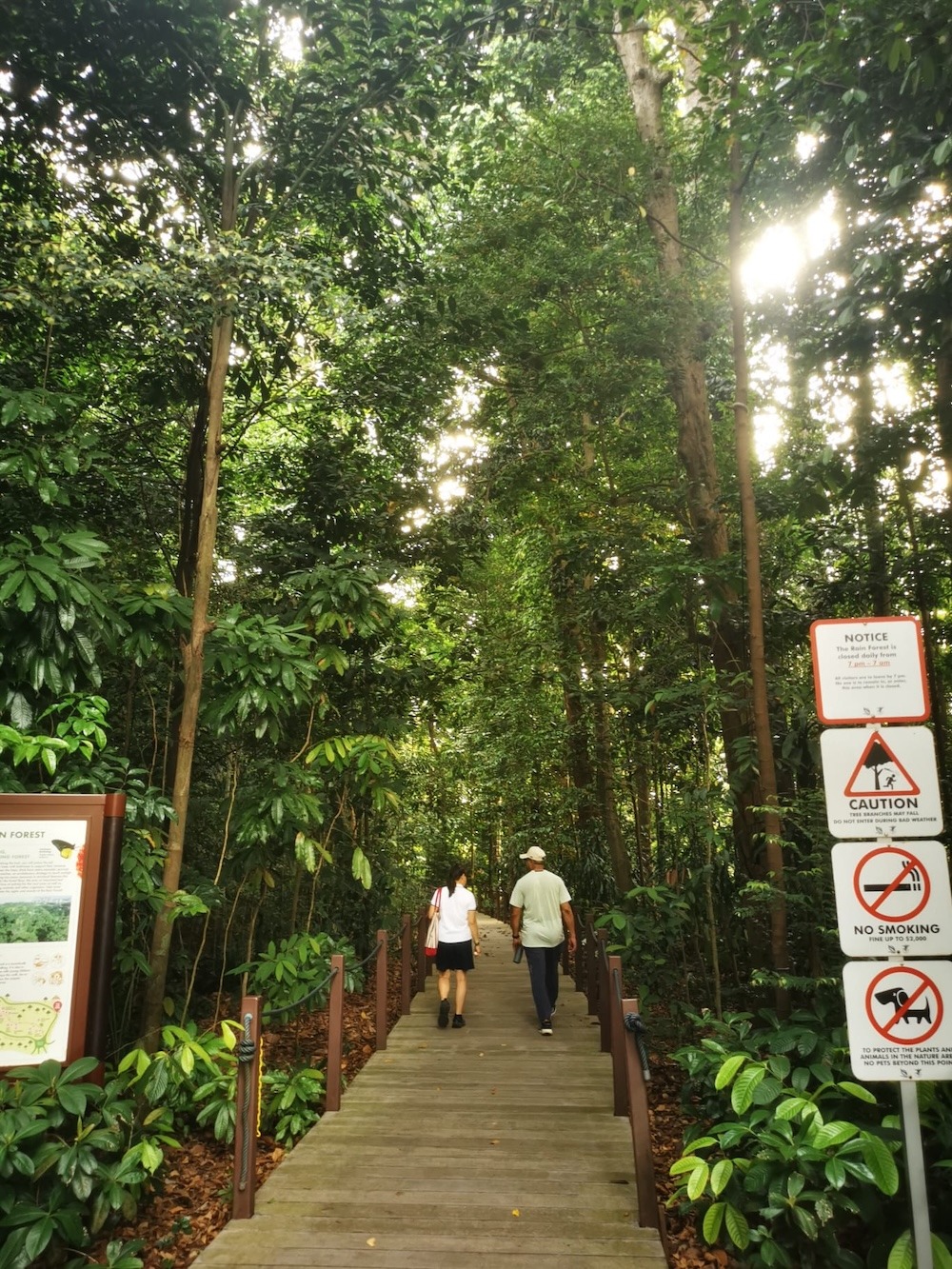
Perhaps you love hiking, but busy walking trails distract you. You could look for quieter routes or travel at less busy times.
Maybe you love the idea of kayaking but feel unsure about being part of a large group. A private or smaller experience could give you more space and make it easier to concentrate on what you’re doing.
Or perhaps you love being outdoors but don’t enjoy physically demanding activities. A scenic train journey, wildlife drive, cable car or boat trip could give you the same sense of exploring somewhere new without the physical demands.
Before booking an adventure, think about what you actually enjoy!
Once you know that, you can look for an experience that gives you the part you love without adding challenges you don’t need.
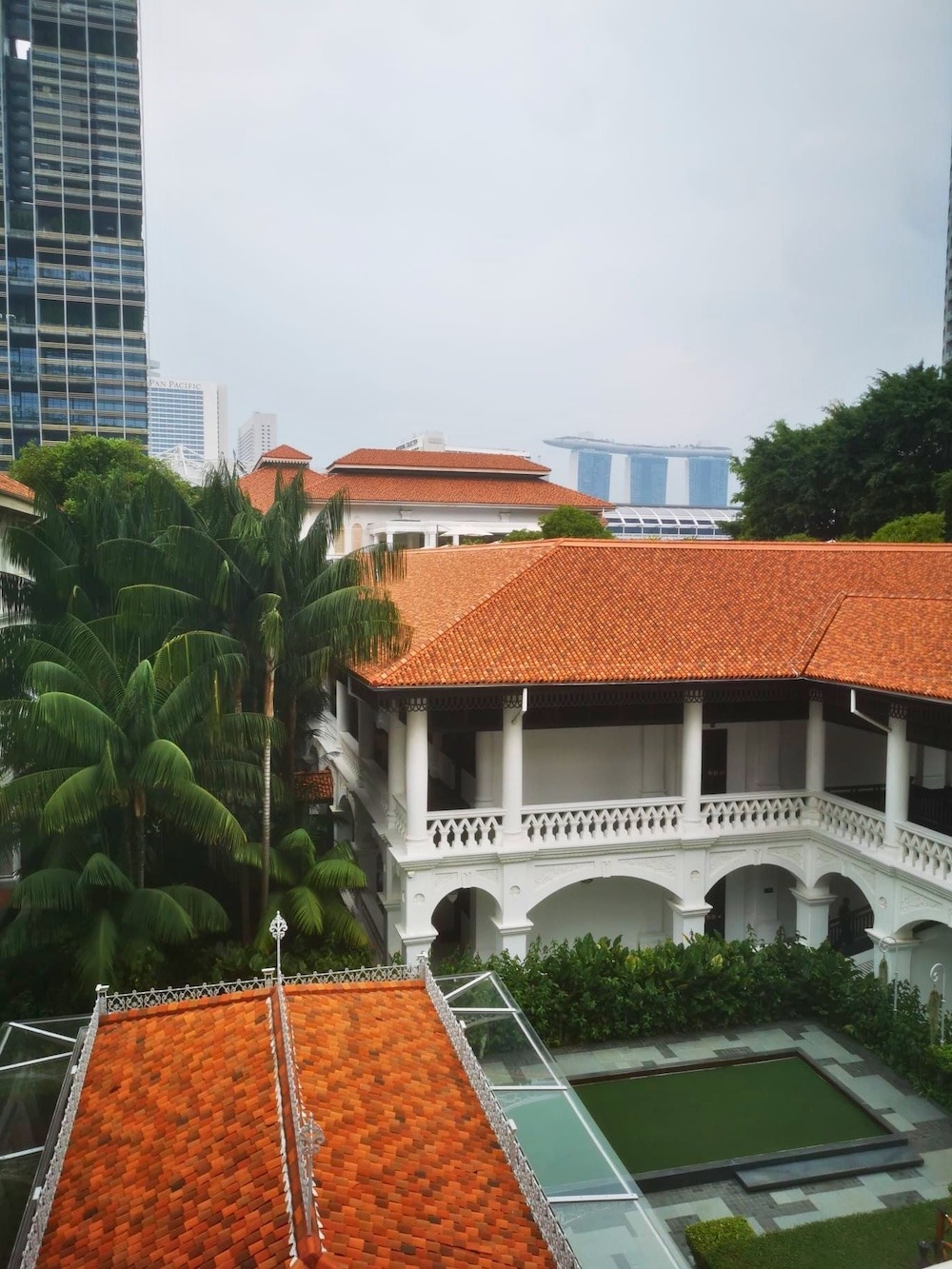
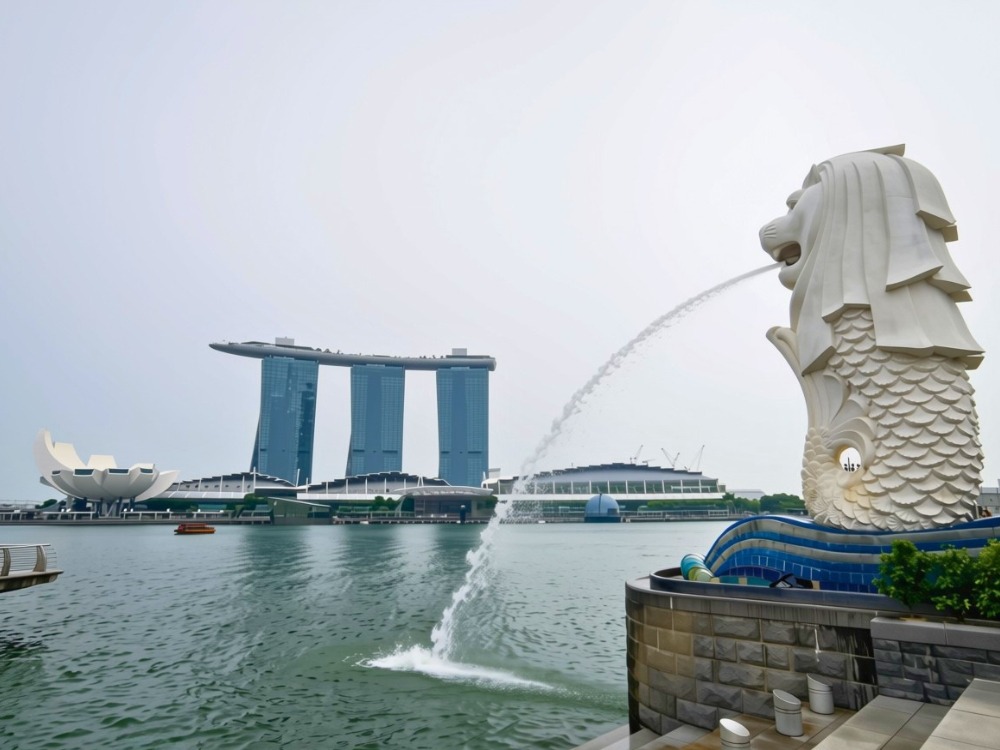
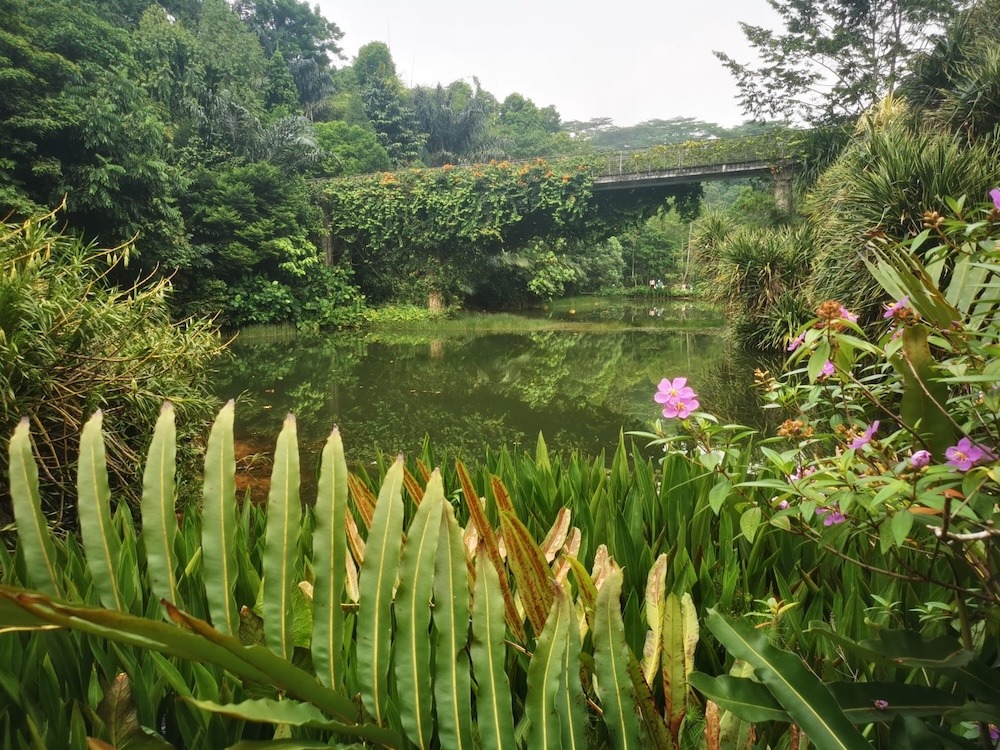
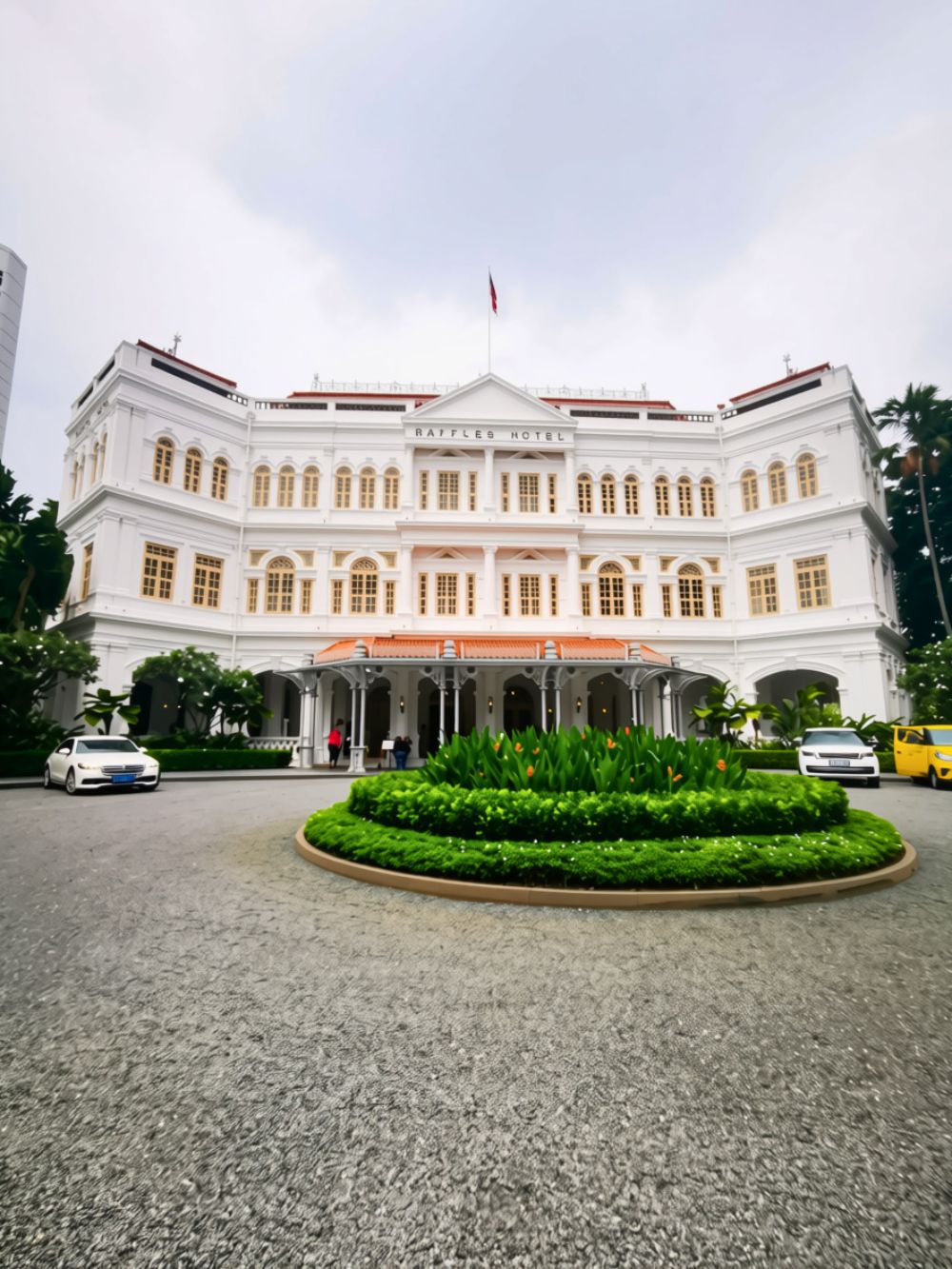
Image Gallery
Wildlife and Nature
If you’re strongly interested in animals, a wildlife holiday can be an incredible opportunity to spend time focused on something you genuinely love.
Imagine waking up knowing you’ll see elephants, watch whales, look for orangutans, or explore somewhere you have only ever seen in documentaries.
For some neurodivergent travellers, a strong interest can make the whole experience particularly engaging. But wildlife experiences can also involve things you may want to consider beforehand.
Early mornings, long waits, travel in vehicles, unfamiliar environments, and unpredictable schedules can all be part of a safari or wildlife excursion.
If waiting is difficult, find out how long you’ll typically be in the vehicle and whether breaks are possible.
If early mornings drain your energy, consider whether you need to start early every day.
If unfamiliar environments tire you, choosing accommodation close to the wildlife experience could reduce additional travel.
You can also look for private or smaller-group wildlife experiences if having fewer people around makes it easier to focus on what you’re there to see.
The aim isn’t to remove the adventure. It’s to make sure the experience lets you enjoy what you are actually passionate about.
Food and Culture
Food can be a huge part of discovering a new country, but it can also be an area where neurodivergent travellers may have very different experiences.
You might love trying new foods and want to spend your entire holiday discovering local dishes, or you might have a limited range of foods you feel comfortable eating, dislike particular textures or smells or find unfamiliar restaurants difficult.
Neither approach is wrong.
If you have specific food preferences, research can make travelling much easier.
Look at restaurant menus before you go, find a few places where you know there will be something you can eat and take familiar snacks with you if it helps.
Then, if you feel comfortable, you can decide when and where you want to try something different.
You can approach culture the same way; perhaps you love museums, traditional crafts, music, architecture, or festivals. Choose the parts of a culture that genuinely interest you rather than feeling that you have to experience everything.
If a large festival sounds exciting but crowds and noise could be difficult, research quieter areas or alternative ways to experience it.
You might find that a small cooking class, private cultural tour, or quieter local experiences offer a much more enjoyable way to explore.
History and Discovery
For someone with a strong interest in history, travelling can be a chance to step directly into something you have spent years learning about. You could visit ancient ruins, explore castles, walk through historic cities or explore museums.
If you have a very specific interest, don’t be afraid to follow it; you don’t have to take a general sightseeing tour simply because that is what most visitors do.
If you are fascinated by a particular period of history, look for specialist tours, museums or guides who can go deeper into the subject. This can also make a difference if you find too much information at once overwhelming.
Instead of trying to see an entire museum, you could identify the sections you’re most interested in beforehand and focus on those. If crowds make it hard to concentrate, check whether early mornings, late afternoons, or quieter days are available; that way, you create the conditions to enjoy what you’re already interested in.
Creative and Immersive Experiences
If you learn or engage best by doing, creative and immersive experiences can be a brilliant way to explore a destination; instead of simply looking at traditional artwork, you could take part in a painting workshop.
Instead of eating local food at a restaurant, you could learn how to cook it. You could try pottery, photography, traditional crafts, music, or another activity that lets you get involved.
For some neurodivergent travellers, having a clear activity to focus on can make social situations easier because you have something specific to do and talk about.
However, it is worth checking what the experience involves before booking.
Will you be expected to work closely with strangers? Is the group large? Is the environment noisy? How long does it last?
If those things could make it uncomfortable, look for private sessions or smaller groups. You could also ask the provider questions before booking; there is nothing wrong with wanting to understand what an experience will actually be like.
Relaxation and Wellness
Not every experience needs to be stimulating.
If you spend your holiday constantly taking in new sights, sounds, smells, people, and environments, you may need time to process nothing new at all.
For some neurodivergent travellers, that can mean having a quiet afternoon at the hotel, sitting by the pool, reading, watching something familiar or simply spending time alone.
You might also enjoy a spa treatment, a quiet nature walk, swimming, or staying somewhere surrounded by nature. The key is not to treat rest as something you only earn after you complete your itinerary.
If you know your energy can run low after several busy days, build relaxation into the plan from the start. A day without an organised activity isn’t wasted; it might be what lets you enjoy everything else.
Choosing Experiences Around Your Interests
There isn’t one definitive list of the best travel experiences for neurodivergent travellers because neurodivergent people are not all the same. Your interests might be completely different from someone else’s.
You might have a passion for trains, animals, food, history, cars, art, technology, photography, architecture or nature. You might become completely absorbed in a particular subject and want your holiday to give you the opportunity to explore it properly.
Use that! Your interests can be a really useful starting point when choosing where to go and what to do. Then think about what helps you enjoy those interests.
Do you prefer knowing exactly what will happen? Would a private experience help? Would you rather visit somewhere at a quieter time? Do you need regular breaks? Would having familiar food available make the day easier? Do you enjoy talking to people or would you rather explore independently?
There are often several ways to experience the same thing; you can visit a museum independently or with a private guide. A food experience can be a large group tour or a one-to-one cooking class. A wildlife trip can be a full-day outing or a shorter private excursion.
You don’t necessarily need to give up an experience because the standard version doesn’t suit you; look at whether it can be adapted. Most importantly, don’t feel you have to choose an experience simply because everyone says you must do it.
If you would rather spend three hours exploring something you’re fascinated by than tick off five tourist attractions on a list, that is completely fine. Travel should let you enjoy the things that interest you.
For neurodivergent travellers, that might mean thinking a little differently about what makes an experience enjoyable, and choosing what works with your needs rather than against them.
The best travel experience isn’t necessarily the biggest, busiest or most impressive one. It might simply be the one where you can completely lose yourself in something you love.