
The Neurodivergent Traveller for Airports
Introduction: When the Holiday Starts at the Airport
Let’s be honest, while airports can be exciting, as it’s the start of a holiday to somewhere exotic, they can be overwhelming when they’re busy, given the sheer scale of everything: the terminals, getting through security, the walks to the gate, the planes themselves and then taking off. For a neurotypical person, it’s stressful enough as it is, but for a neurodivergent individual, it’s an even bigger challenge. The thought of being in a busy airport can cause someone to shut down and feel overwhelmed by loud announcements, long queues, and confusion over delays and last-minute changes with no notice.
To walk you through the whole process, this guide can make the experience less overwhelming by helping you prepare, know what to do during last-minute changes, understand what assistance is available, and use coping mechanisms.
Before You Even Leave Home
It goes without saying: preparation is key. Much of the prep work before you even leave the house can be done in the comfort of your own home, saving you a world of stress and making you less likely to panic or have anxiety. You can check in online via the airline site or app up to 24 (or sometimes 48) hours in advance. You can check yourself and other family members in, choose how many bags you’d like to put in the hold, and pick your seat (often at an extra charge). You can also note any special requirements or needs, such as using an accessibility desk, boarding first to avoid noise and crowds, or dietary requirements. You can also pick up sunflower lanyards for free to show you’re diagnosed with a non-visible disability at supermarkets, hospitals or charity shops that support the scheme. The lanyards are widely recognised at airports worldwide. To avoid disappointment, it may be a good idea to get one in advance, as accessibility desks may not have any due to demand. Of course, make sure you’ve packed your suitcases, including any necessary medicines, and enough clothes to last the entire trip. Oh, and don’t forget your passport, smartphone, wallet, keys and plane ticket – making a list beforehand goes a long way!
Image Gallery
Arriving at the Airport
And so begins the journey, as you reach the airport. Upon arrival, you’re met with check-in desks, either automated or with a real person behind a desk. If you’ve checked in beforehand, you can either ask for your bag to go into the hold, or you can go straight to airport security. If you need to, depending on the airport, you can go to an accessibility helpdesk to get a sunflower lanyard and some toys to help with stimming and reduce anxiety, such as a stress ball or fidget spinner.
Airport Security: The First Major Hurdle
For many neurodivergent travellers, airport security can be one of the more difficult parts of the journey. There are queues, lots of people moving around, instructions being given quickly, lots of noise, and the possibility of being searched or having to remove items of clothing or take items out of your hand luggage. Knowing what to expect can help ease this part of the journey and make it much easier. Before travelling, you could check the latest security requirements for the airport and the airline, as the rules can sometimes change.
If you find instructions difficult to process under pressure, you can always ask a member of staff to repeat them or explain what you need to do. Don’t feel any pressure to pretend that you understand if you don’t. If you have requested special assistance, make sure the airport understands and is clear on your needs, as they can assist with security. Although it is recommended that you request the assistance when booking your flights, you can do it at least a few days before departure.
Finding Your Gate
Once you have made it through security, you may find you still have quite a walk ahead of you. Large airports can involve long corridors, escalators, lifts, moving walkways and several changes of direction before you reach your gate. For someone who is feeling overwhelmed, this can be exhausting.
Keep an eye on the departure screens and listen for announcements, but don’t rely only on announcements if you find them difficult to follow; you can check the airport/airline app, which can give you another way to track flight changes or boarding gate changes. If you have arranged special assistance, staff can help you get from the terminal through to your departure gate. You can also ask for help if you are unsure where to go.
The Waiting Game
If you don’t want to spend your time sitting down waiting, there are some things you can do to alleviate the boredom. For some people, waiting is actually one of the hardest parts of flying. Once you have reached the gate, there may be nothing to do except sit and wait. This is where having a few familiar things with you can help, such as downloading a film or TV show, listening to a podcast or music, or bringing a book or magazine. Noise-cancelling headphones or ear defenders can be particularly useful if the surrounding noise becomes too much. Sunglasses can also help if bright lights are uncomfortable.
If you need a quieter space, you can ask staff whether a quieter area is available. Not every airport has the same facilities, so it is worth checking before you travel rather than assuming one will be available. But don’t feel like you have to spend your whole time sitting at the gate either; if that isn’t comfortable for you, you can keep an eye on the time and walk around. If you have access, there are airport lounges where you can have a quiet space to yourself whilst enjoying free food and drink, or even a massage or have a shower while you’re sitting down, as they tend to be less busy than being at the gate. Some lounges even have sensory rooms or pods where you can zone out in a soundproofed room with fluorescent lighting, soothing sounds, and comfortable seating. Plus, you can check the status of your departure screen while you’re there in a calmer atmosphere.
Boarding the Aircraft
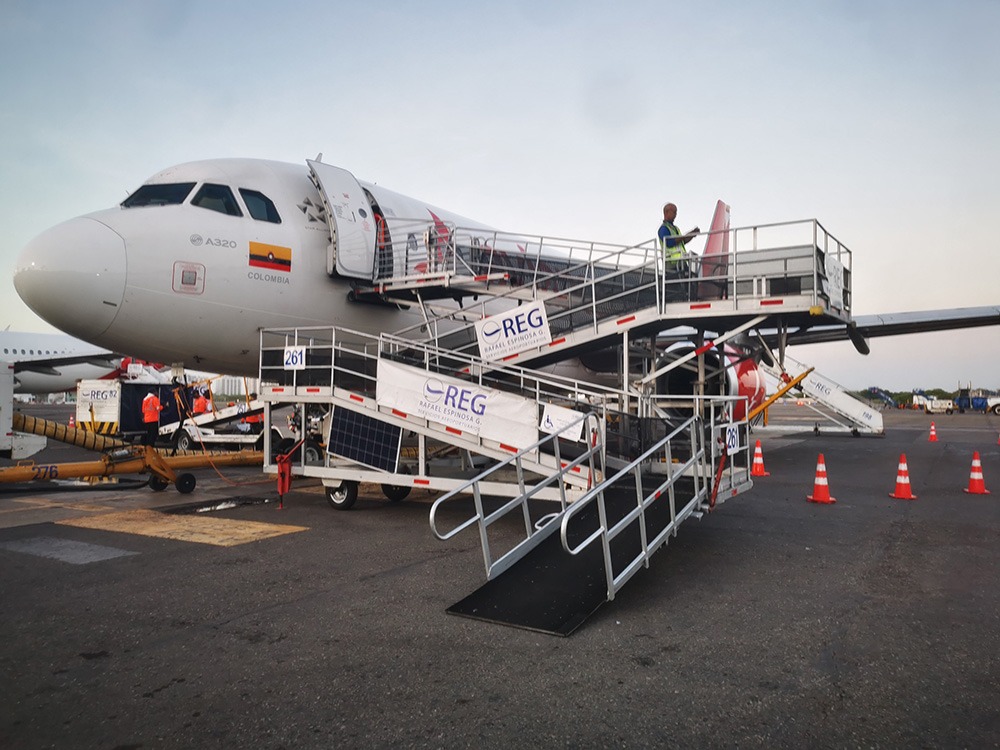
Boarding the aircraft can bring another wave of noise and a lot of people moving around at once, and everyone seems to be trying to get on the plane at the same time. If crowds are difficult for you, you can ask whether any boarding arrangements can be put in place, depending on your circumstances; you may be able to board earlier, or staff may be able to assist you through the boarding process.
Once you are on the aircraft, getting settled into your seat as quickly as possible can help. Make sure you have anything you need on the flight within easy reach, such as headphones, a drink, medication or something to pass the time. You could also use a fidget toy, listen to music or keep your eyes closed during take-off, which are all perfectly reasonable ways of making the experience more manageable.
When Things Don’t Go According to Plan
This is one of the biggest challenges for any traveller, but particularly for someone who finds unexpected changes difficult.
Flights can be delayed, last-minute gate changes can happen, boarding/takeoff can take longer than expected, and sometimes flights are cancelled altogether. Unfortunately, no amount of planning can guarantee everything will happen exactly as you expect.
Before travelling, think about what normally helps you when you are stressed, such as putting on headphones, finding a quiet area, speaking to someone familiar, having a snack, or taking some alone time.
Keep important information somewhere easy to access, and don’t be afraid to ask for help or ask someone what is happening; for example, if you don’t understand an announcement, ask a member of staff to repeat and explain.
Small Reasonable Adjustments Can Make a Big Difference
Sometimes the smallest things make the biggest difference, and being given a little more time to process an instruction, having someone explain what is going to happen next or being able to wait somewhere quieter can make the journey easier.
These adjustments aren’t necessarily major changes; they require people to understand that not every passenger experiences the airport in the same way. If something would make your journey easier, don’t be afraid to ask for support; you could be surprised by what can be done.
Why Staff Awareness Matters
Technology and airport facilities can only do so much; airport staff play a huge role in improving the experience. A staff member who understands hidden disabilities and communicates clearly can make a stressful situation much easier. Still, a staff member who doesn’t understand why someone is struggling can make things worse.
Staff awareness and training are so important, as neurodivergence isn’t always visible and not everyone who needs support will be wearing a sunflower lanyard or be comfortable or able to explain their needs.
Travellers should never be embarrassed about asking for support, and airport staff should be able to recognise that a passenger who may be anxious, confused or distressed may need a different approach.
So, What Would a Truly Neurodivergent-Friendly Airport Look Like?
A truly neurodivergent-friendly airport wouldn’t look that different from the airports we already use. It would simply be easier to understand and navigate, with clear signs, consistent information, quiet spaces where possible, staff who know how to help, simple explanations when something changes, and assistance that is easy to request and doesn’t require someone to explain themselves repeatedly.
It would also recognise that neurodivergence covers a huge range of experiences and the aim should never be to create a one-size-fits-all solution; it should be to create an airport environment where people have choices and can access support that works for them.
How Journeyease Can Help
Journeyease believes that travel should be about the experience at the destination, not spending weeks worrying about everything that goes wrong before you get there.
For neurodivergent travellers and their families, understanding what to expect can make a huge difference, and that might mean helping you understand the airport journey or identifying the support that may be available or making sure the wider travel experience takes your individual needs into account.
Every traveller is different, which is why there isn’t a one-size-fits-all solution. The important thing is having the right information and the right support available.
The Journey Should Be Part of the Holiday
Some neurodivergent travellers find the airport can feel like an obstacle between them and the holiday they have been looking forward to. But with the right preparation and access to available support, it doesn’t have to feel that way.
Make your list, check the airport and airline information, request assistance if you need it and pack the things that help you feel more comfortable and, most importantly, don’t be afraid to ask for help.
The holiday doesn’t have to start when you arrive at your hotel; it can start when you leave your home, and everyone deserves the chance to enjoy the journey too.