
What Makes a Hotel Truly Neurodivergent-Friendly?
Introduction
We’ve all felt the excitement of entering a hotel door upon check-in, where our holiday has officially begun: the bellboy looking after our suitcases, having the door opened for us, being greeted by the receptionist and being given our room key. But what about the other side that almost no one mentions? We’re referring to the overwhelm felt by neurodiverse guests: the long queue of people or groups that are noisy, or perhaps it’s being given a room too close to lifts where you can hear them ping every 30 seconds, or maybe the music is too loud from the pool area. Perhaps a strong fragrance can be off-putting, as can a loud TV from the bar when displaying the news or a big sports match. There may even be construction noise for upgrades to the hotel, or kids splashing about in the pool area.
For those reasons and more, we began conducting our own hotel inspections upon starting Journeyease; the ones that are neurodiverse or autism-friendly have certain traits or features that they all share in common. As we conducted said inspections across the world, these are all things that come from lived experiences, whether staying at a modest B&B or a luxury five-star hotel.
The Check-in Experience
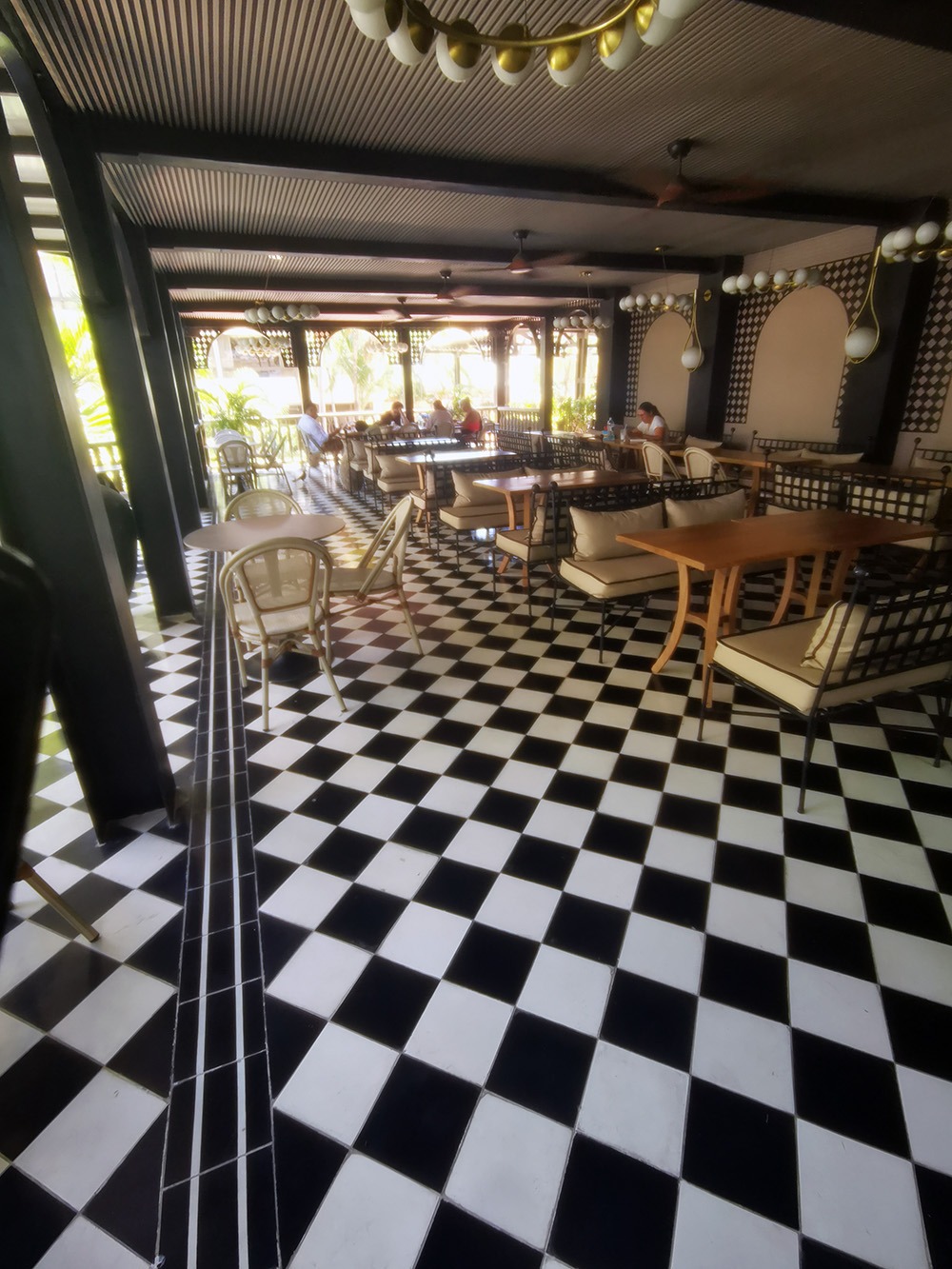
Let’s start with first impressions: hotels are off to a good start if the reception area or foyer has natural light, is airy, has a tall ceiling and minimal background music. However, that experience can be tainted if there’s a big group of travellers who need to be checked in, and a long queue forms, and they’re all loud and take a long time to get to their rooms; needless to say, it can be an overwhelming experience. Especially during high season, a special occasion or a busy period. Not to mention various passers-by leaving, or walking through to the concierge or restaurant. It’s a junction of people with places to be, and it can be sensory overload for many. Even checking out can be a hassle with waiting tediously whilst the receptionist taps away on his/her keyboard while you’re thinking of your journey back home via the airport.
So, what’s the solution? To make the check-in process easier and less personal, some hotels offer an online check-in app, turning it into an efficient, technological alternative. This way, they only need to collect their room key from the reception before heading up to their room. Regarding walking around at less busy times, peak times tend to be early mornings for breakfast, mid-afternoons as check-in times tend to start at 3pm and early evenings near the restaurant for dinner.
Image Gallery


Easing And Adjusting To Your Room
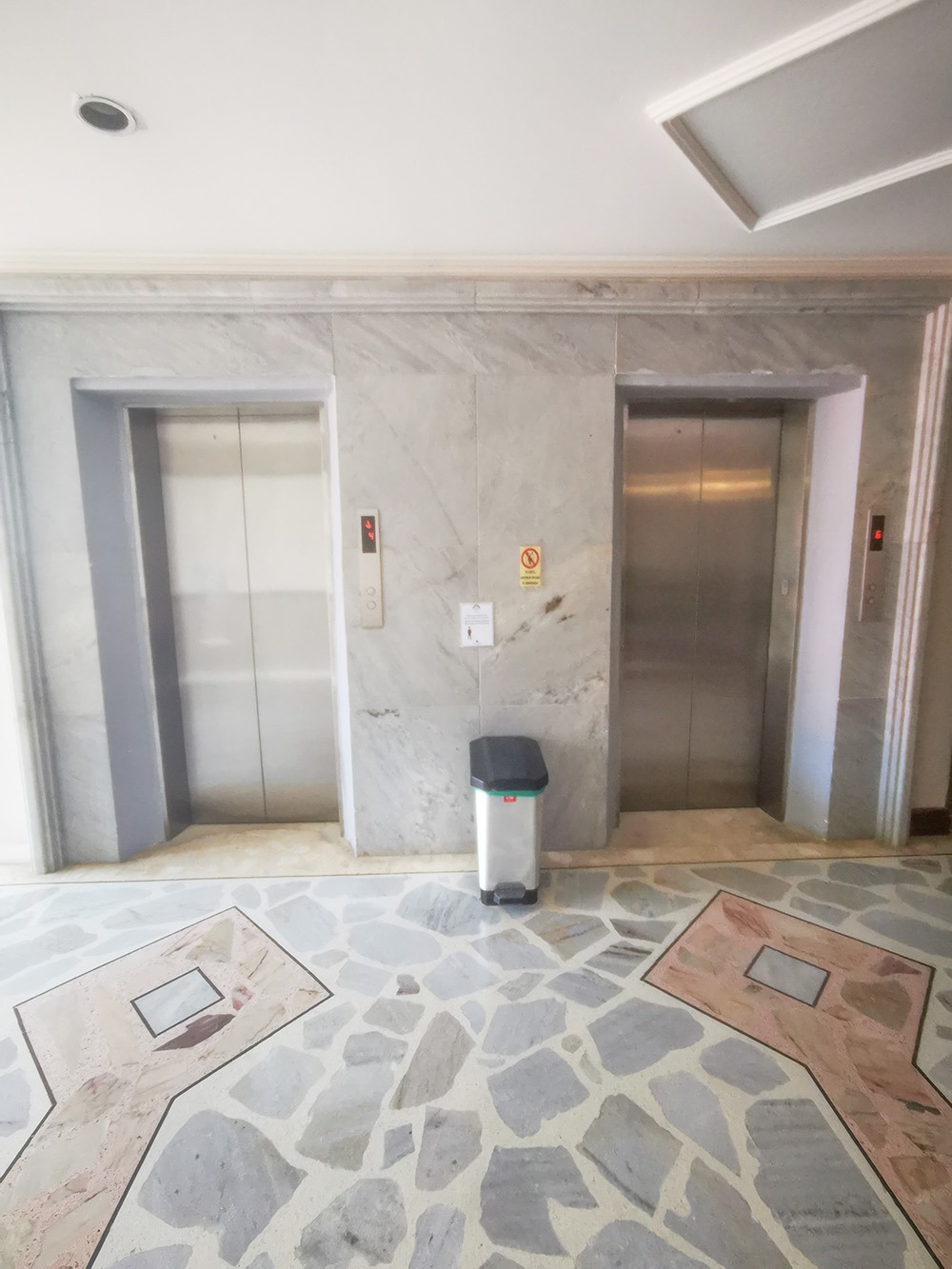
After opening the door to your new home for a few days, you want to make sure it’s as comfortable and designed for your needs as possible. But before even entering, is the corridor dimmed or too intensely lit? Are there rooms that are as far away from lifts as possible, so that they’re not too disruptive or can be heard within earshot when you’re trying to chill out? These are all things to consider.
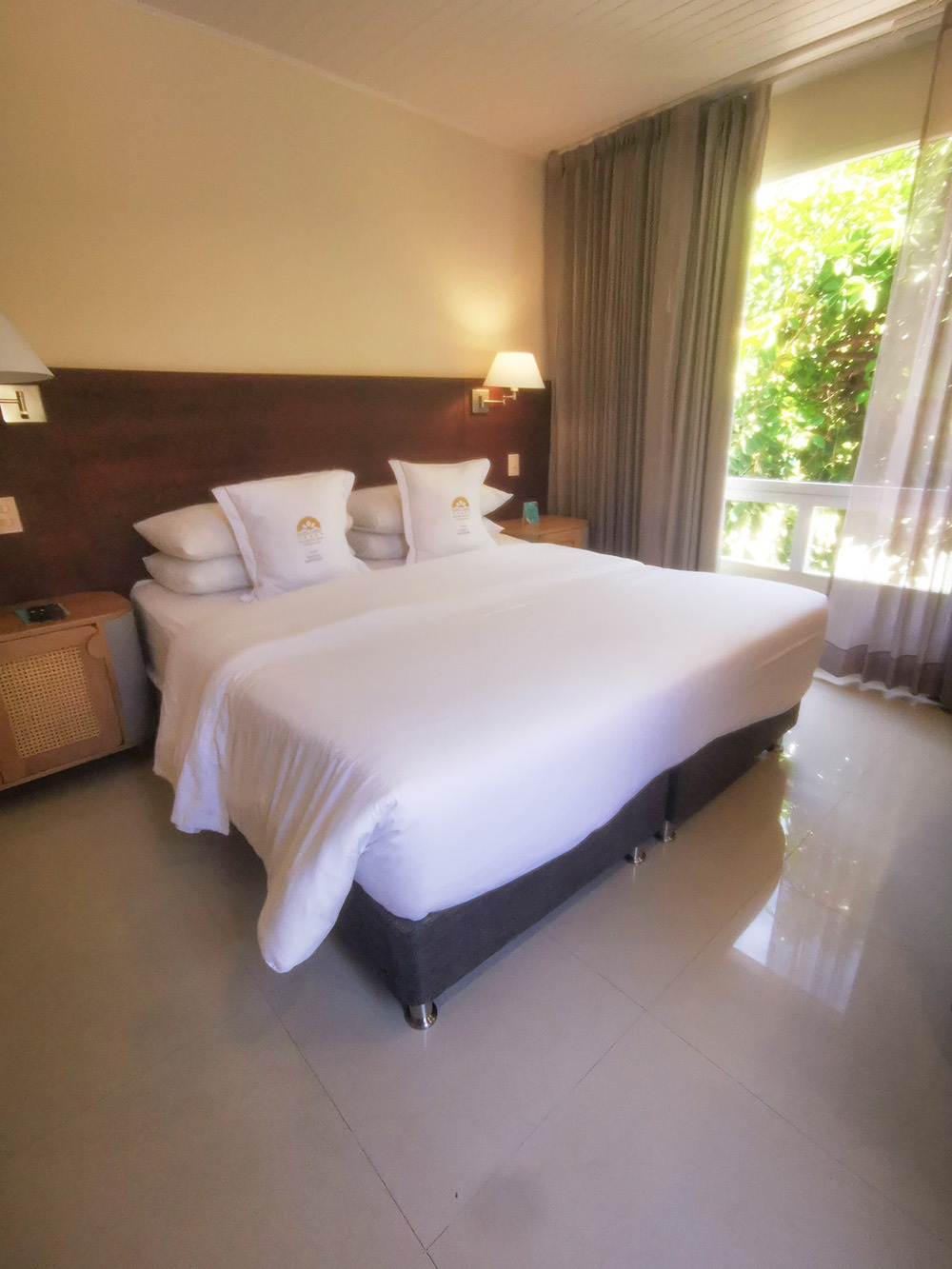
Once you’re inside and have put your suitcase aside after a long journey, is the room lit too much or too little? What material are the bedsheets? Some neurodivergent people prefer linen and silk to cotton. There are even hotels that feature a bed rest in one corner of a mattress for comfort. Possible amenities could include some snacks, complimentary bottled water (which most hotels offer), fidget spinners or a stress ball, displayed on a table upon welcome.
Noise Levels
This is a particularly important and often a determining factor in whether a stay was a happy or miserable one. This is a hotel-wide issue, whether in a bar, reception, restaurant, pool or gym. There’s no worse feeling than not feeling welcome as a neurodivergent individual or family, lying down on a sun lounge and having loud portable speakers or one from the nearby bar blasting music at an almost offensive decibel level. Or even with the TV being on too loud, the clattering of plates and cutlery in the restaurant/eating areas. I remember when I was a kid on holiday in Jordan; even when trying to sleep, I could hear a resident musician at 11pm when we, as a family, were exhausted, kept up by a rendition of Killing Me Softly. Ironically, it felt like he was trying to do exactly that.
In all seriousness, there are several ways this can be addressed to hotel staff. First and foremost, raise the issue with them. Most of them are more than happy to oblige with turning the volume down. One hotel chain we discovered on our inspections has a three-strike rule similar to that of baseball: they measure the volume of a particular area, such as a restaurant or quiet area, with a decibel gun, with a limit of 55 or 60 dB. First strike, they receive a light slap on the wrist; second, they receive a final warning; third, they’re asked to leave.
It may also help to have breakfast earlier than 8am, or dinner later on in the evening. Better yet, eat it in the comfort of your own room to minimise any background noise or music. The same would apply for hotel gyms, where if the speakers are too loud, ask someone at the desk to turn them down. It may also be beneficial to set up a quiet room in the hotel where kids can play board games, sit down if they need to, provide colouring books, and have someone on hand to provide a calming presence.
The Pool Area
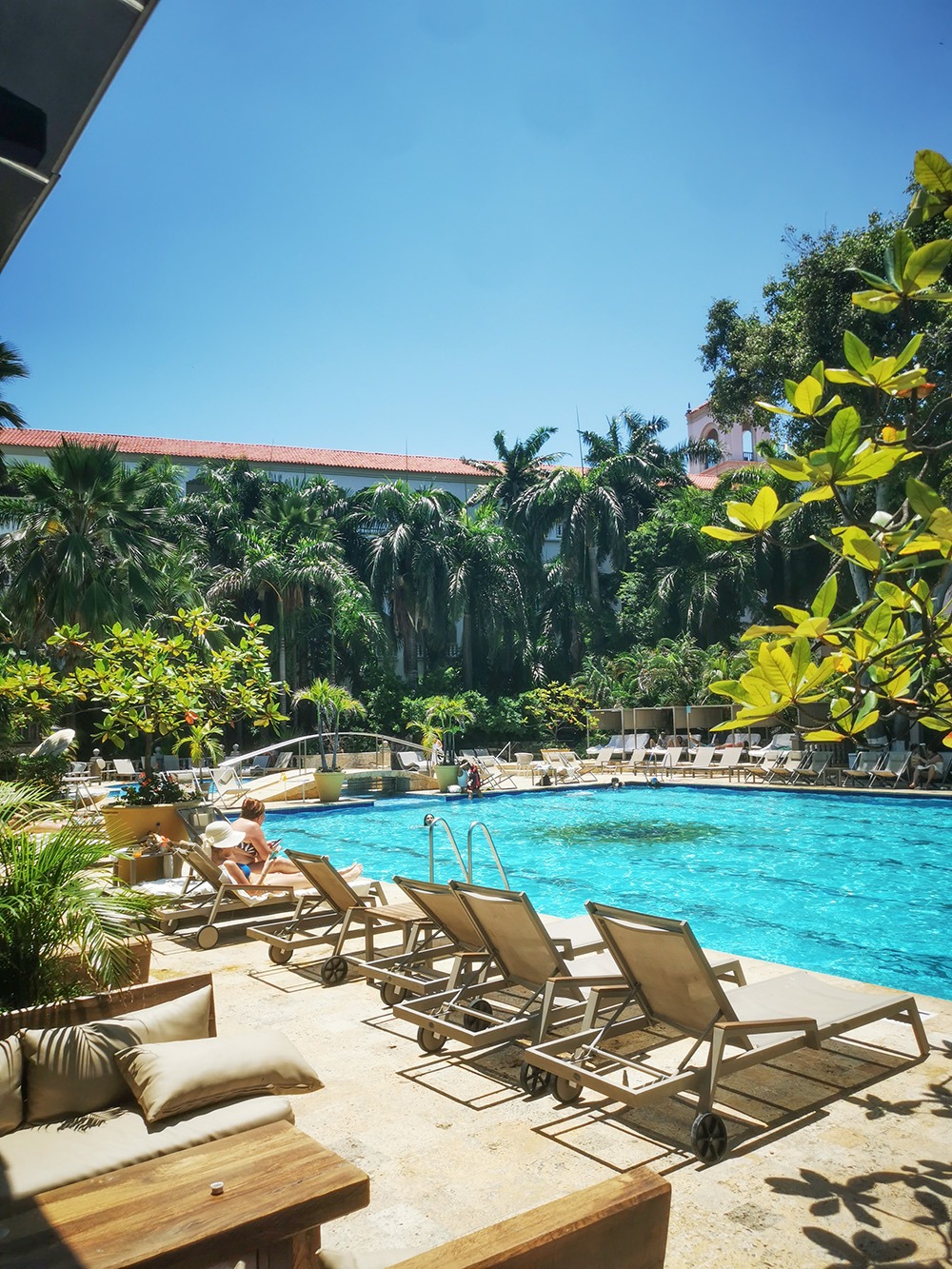
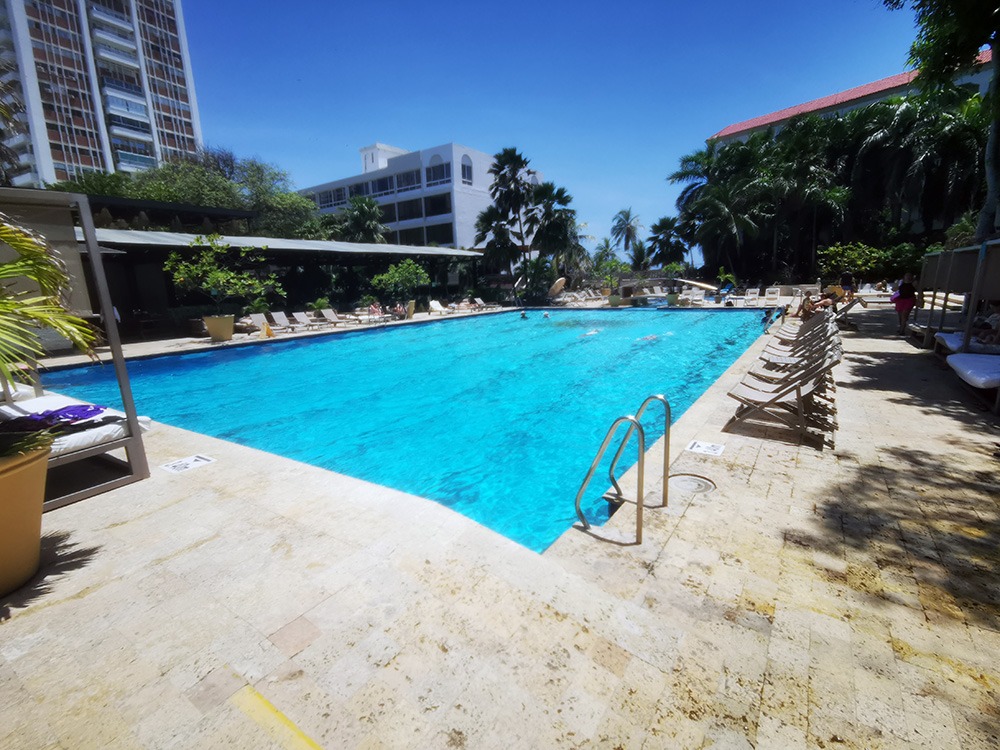
For neurodivergent children, the swimming pool can either be a tranquil, peaceful place or one that’s intimidating. Other kids splashing around, screaming or diving in can be quite disruptive for a neurodivergent child or guest, but so can going underwater without learning how to swim; that can feel horrible as well.
Fortunately, some adjustments can be made: there can be designated quiet areas of pools, quieter swimming periods during the morning or afternoon for about two hours, advance information about pool activity and what to expect, banning portable Bluetooth speakers and therefore reducing unnecessary music, a quiet room where neurodivergent guests can retreat to if the area gets a bit overwhelming and training lifeguards and staff on their specific needs.
Food Adjustments
Another very important thing to consider is food choices at hotels. A neurodivergent guest, particularly children, may have particular sensitivities to certain textures and smells to the point where it may put them off their meal altogether. A family gathering down to a crowded breakfast room with loud music, especially first thing in the morning, is the perfect storm for sensory overload and doesn’t set them up well for the rest of the day.
Advance menus, the option for room service, flexibility around meal times, and communicating any dietary or sensory requirements and cross-contamination concerns, especially if they belong to a particular religion and have intolerances to certain foods, are also a nice touch as it shows that a hotel listens and cares for all its visitors.
The ability to make simple meals that aren’t on the menu is a big plus as well. Kids that may want home comforts away on holiday can play a crucial role in making their stay at a hotel as comfortable as possible. Contacting a hotel to make these small adjustments will go a long way to making a family more than happy at the dinner table.
It’s worth noting that a hotel needn’t go out of its own way to create its own neurodivergent menu. It just needs to be willing to make small reasonable adjustments and to listen to a person’s requirements.
What If Things Don’t Go According To Plan?
Life doesn’t always go according to plan and holidays are no exception. There will almost always be delays at the airport, traffic on the way to the hotel, you name it. To a neurotypical guest, it’s likely a small glitch. To some neurodivergent families, it can throw them off completely. Hotels are usually accommodating and flexible in response to external factors or unexpected changes. And there are so many we could name: the airport transfer was late, changes to an itinerary, roadworks on the way to the hotel, you name it. There could also be a delay in the room being ready or not meeting a guest’s expectations. Having a clear line of communication is key to finding a solution that suits all parties.
However, there could be a situation where there are noisy neighbouring guests. For someone who is particularly sensitive to sound, these noises can make it difficult to relax, sleep or regulate after a long day of travelling. What could be a minor annoyance to one guest can become completely overwhelming for another.
This is where communication from hotel staff can make a real difference. If a guest raises a concern about excessive noise, they shouldn’t be made to feel that they’re being unreasonable or difficult. Where possible, staff could suggest contacting the neighbouring room, moving the guest to a quieter room, or finding another practical solution.
But what about construction in, or even on, the premises itself? This is where flexibility and reasonable adjustments mean far more here than expensive facilities. A room change where there would be minimal noise or friction would be ideal.
Sometimes, being neurodivergent-friendly isn’t about preventing every source of noise. It’s about recognising when noise is becoming a problem and being willing to do something about it.
Small Reasonable Adjustments
At Journeyease, we are here to advise and consult hotels on the best practices to help make small reasonable adjustments and not wholesale changes that are cost-efficient but, most importantly, easy to do.
And there are plenty of examples. A quieter room away from the lifts, a little more flexibility around check-in and check-out, providing an advance menu, reducing background music, allowing a guest to eat in their room, or merely taking the time to listen to their requirements can create a meaningful effect.
None of these necessarily require expensive renovations or major changes to the way a hotel operates. Sometimes, it is simply about giving guests more choice and greater flexibility. For a neurodivergent guest or family, that flexibility can be the difference between merely getting through a holiday and genuinely enjoying it.
That’s where we believe JourneyEase can help. We work with hotels to identify where minor adjustments can have the biggest impact, helping them create a more welcoming experience for neurodivergent guests without compromising the experience of everyone else.
Staff Awareness Matters
A hotel can have a sensory room, quiet pool, sensory kits and an accessibility certification. But if the receptionist doesn’t understand why a guest needs them, the experience can still fall apart.
Perhaps the most important factor of all is the people working at the hotel. You can have a quiet room, sensory kits, designated pool areas and all the right facilities, but if the staff don’t understand neurodivergence, the experience can still fall short.
Staff don’t need to be experts in autism or ADHD, nor do they need to know the individual needs of every neurodivergent guest. What matters is having a basic understanding of how neurodivergence can affect someone’s experience of travel and knowing how to respond with patience, empathy and flexibility.
For example, a guest who avoids eye contact, doesn’t respond immediately to a question, appears anxious in a busy environment or needs to step away from a crowded area isn’t necessarily being rude or difficult. They may be overwhelmed and trying to regulate themselves.
This is particularly important when something goes wrong. A delayed check-in, a noisy room or a misunderstanding over a meal can be enough to push someone who is already overwhelmed beyond their limits. Instead of dismissing their concerns, staff can ask a simple question: “What can we do to make this easier for you?”
Sometimes, that’s all it takes.
At Journeyease, we believe neurodiversity awareness shouldn’t be about giving staff a complicated manual to memorise. It’s about giving them the confidence to recognise different needs, listen to guests and know what practical adjustments they can make.
Because ultimately, a truly neurodivergent-friendly hotel isn’t defined by what it has. It’s defined by how its people make you feel.
So, What Makes A Hotel Neurodivergent-Friendly?
Bringing everything together. A truly neurodivergent-friendly hotel understands that it’s not about the number of facilities it has, or the amount of accreditations it has been given. It’s all about how they welcome and treat their neurodiverse guests and how they see the world differently.
It offers choice.
It listens.
It offers small, reasonable adjustments.
But most of all, it doesn’t make them feel like a burden; it helps them enjoy their time away with happy memories.